
Eye Bag Removal in Japan: A Guide for Overseas Patients
Eye bags can make the face appear tired even when you are well rested.
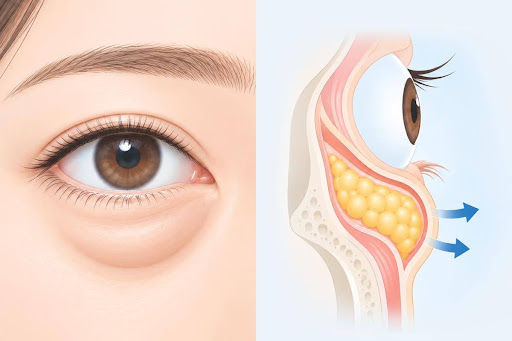
For some patients, the concern is caused by fat beneath the lower eyelid becoming more prominent. For others, shadows or hollowness around the under-eye area create a similar appearance.
Because these concerns can look alike, effective treatment begins by identifying what is actually contributing to the under-eye appearance.
At Garden Clinic, eye bag removal is planned according to the patient’s lower-eyelid anatomy, surrounding facial volume, and desired result.
At Garden Clinic, eye bag removal is planned according to the patient’s lower-eyelid anatomy, surrounding facial volume, and desired result.
What Causes Eye Bags?
Prominent eye bags are often related to fat beneath the lower eyelid becoming more visible. This can create:- Puffiness beneath the eyes
- A rounded bulge under the lower eyelid
- Shadows beneath the prominent area
- A tired appearance
- Differences between the two sides
Eye Bags and Under-Eye Hollowness Are Different
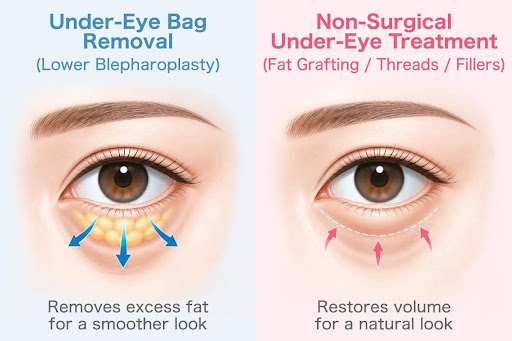
Not every dark or tired-looking under-eye area is caused by an eye bag. Some patients have hollowness beneath the lower eyelid rather than prominent fat. Others have both. A prominent fat pad beside a hollow tear trough can create a noticeable difference in contour. Light falling across this transition may produce a stronger shadow. This distinction is important because simply removing fat may not improve every type of under-eye concern. The doctor will assess whether the appearance is mainly caused by:- Protruding fat
- Hollowness
- A combination of both
- Skin changes
- Facial anatomy
- Another factor
How Garden Clinic Performs Eye Bag Removal
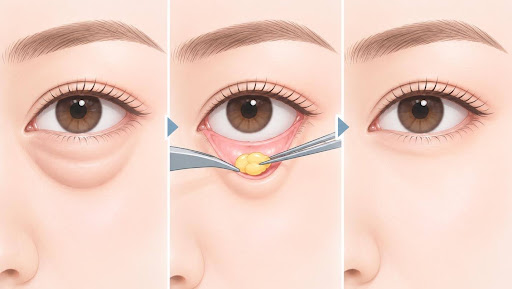
For suitable patients, Garden Clinic performs under-eye bag removal using a transconjunctival lower blepharoplasty approach. The treatment is performed from inside the lower eyelid rather than through an external skin incision. Through this approach, the doctor can access and adjust appropriate areas of protruding fat. Because the procedure is performed from inside the eyelid, there is no external skin incision from the procedure itself. The treatment plan is customised according to the patient’s anatomy rather than based on removing a standard amount of fat.Why Conservative Fat Removal Matters
The goal of eye bag removal is not to remove as much fat as possible. The lower eyelid naturally contains fat that contributes to facial structure. Excessive removal may create or worsen hollowness in some patients. The doctor therefore considers the relationship between:- The lower eyelid
- The tear trough
- The upper cheek
- Existing facial volume
- Natural asymmetry
When Fat Transfer May Also Be Considered
Some patients have both a visible eye bag and a hollow area immediately beneath it. Removing the prominent fat may improve the bulge, but the hollow area can continue to create a shadow. When appropriate, the doctor may discuss whether a small amount of the patient’s own fat could be used to restore volume. Garden Clinic may use micro-fat transfer for selected areas of facial hollowness. This does not mean every eye bag patient needs fat grafting. The decision depends on the patient’s anatomy and treatment goals.Who May Be Suitable for Eye Bag Removal?
Eye bag removal may be considered for patients who:- Have visible lower-eyelid fat protrusion
- Feel that persistent bags make them look tired
- Have realistic expectations
- Understand the limitations of treatment
- Are medically suitable for the procedure
- Can follow recovery and aftercare instructions
What Eye Bag Removal Cannot Treat
Eye bag removal is designed primarily to address protruding lower-eyelid fat. It may not fully correct:- Dark circles caused by pigmentation
- Significant loose skin
- Fine lines around the eyes
- Facial volume loss
- Deep tear trough hollowness
- Natural facial asymmetry
- Every cause of a tired appearance
Eye Bag Removal Versus Double Eyelid Surgery
Eye bag removal and double eyelid surgery treat completely different areas. Eye bag removal focuses on fullness beneath the lower eyelids. Double eyelid surgery focuses on creating or refining an upper-eyelid crease. Patients sometimes use the general term “eyelid surgery” for both procedures, but they should not be treated as interchangeable. If you are unsure which treatment relates to your concern, describe the problem in simple language rather than trying to choose the medical term yourself. For example: “My main concern is the puffiness beneath my eyes.” Or: “My upper eyelids do not have the crease I want.” The medical team can then direct the consultation appropriately.What Happens During Treatment?
The exact treatment process depends on the individual patient. Generally, the process includes:- Medical consultation and assessment
- Treatment design
- Anaesthesia
- Access through the inside of the lower eyelid
- Adjustment of the appropriate fat
- Post-treatment cooling and observation
- Medication and aftercare instructions
What Type of Anaesthesia Is Used?
The appropriate anaesthesia depends on the treatment plan and individual patient. The doctor will explain the planned method during consultation. Patients should tell the medical team about:- Previous reactions to anaesthesia
- Medication allergies
- Current medication
- Supplements
- Relevant medical conditions
- Previous eye surgery or treatment
Recovery After Eye Bag Removal
Recovery varies between patients. Temporary effects may include:- Swelling
- Bruising
- Tenderness
- Tightness
- Mild irritation
- Temporary asymmetry
- Changes in sensation around the treated area
Can I Sightsee After Treatment?
Some patients may feel comfortable with light activities relatively early in recovery. However, being physically able to walk around does not mean that healing is complete. Patients should prioritise recovery over sightseeing immediately after treatment. The medical team may advise avoiding:- Strenuous exercise
- Long periods in excessive heat
- Saunas
- Heavy lifting
- Activities that place pressure around the eyes
- Swimming
- Certain skincare or beauty treatments
Planning Around Work and Social Events
The under-eye area may remain visibly swollen or bruised even after a patient feels physically comfortable. Tell Garden Clinic if you have upcoming:- Work meetings
- Weddings
- Family photographs
- Public appearances
- Important social events
- Long-distance travel
Photos for an Initial Overseas Review
International patients can begin by sending clear photographs through WhatsApp or the Garden Clinic enquiry form. Helpful photographs may include:- A front view
- Left and right angled views
- Side views where appropriate
- A neutral facial expression
- Clear, even lighting
- No filters or beauty effects
- No heavy makeup around the eyes
- Hair kept away from the face
Planning Treatment From Overseas
International patients can contact Garden Clinic through WhatsApp or the enquiry form in English or Chinese. During the initial enquiry, patients should provide:- Clear under-eye photographs
- Their main concern
- Their preferred result
- Relevant medical history
- Current medication
- Previous eye or facial treatments
- Preferred travel dates
- Important work or social events
What to Confirm Before Booking Flights
Before making non-refundable travel arrangements, confirm:- Which treatment is being considered
- Whether the recommendation is preliminary
- Whether fat grafting or another treatment may also be discussed
- The expected recovery period
- How long you should remain in Japan
- When the progress check will take place
- What your estimated quotation includes
- Whether interpreter support is available
- Whether airport transfer is included
- When flying home may be appropriate
- The procedure
- Anaesthesia
- Prescribed medication
- Post-operative care
- Follow-up checks
- Airport transfer
Interpreter Support
Dedicated interpreters can support international patients during consultation and treatment. Interpreter support can help patients understand:- What is causing the under-eye concern
- Why a particular treatment is being recommended
- Alternative treatment options
- Risks and limitations
- Anaesthesia
- Expected recovery
- Medication instructions
- Follow-up arrangements
- When local medical attention may be required
Airport Transfer
Garden Clinic provides complimentary airport transfer from Narita Airport or Haneda Airport for eligible international patients according to arrangements confirmed before travel. Depending on the individual arrangement, transfer may be provided from the airport to Garden Clinic or a partnered hotel. Patients should confirm:- Which airport is covered
- Where they will be met
- The destination of the transfer
- Whether return transfer is included
- What happens if their flight time changes
Before You Fly Home
A progress check may be scheduled before departure according to the individual treatment plan. This allows the medical team to assess early recovery, answer questions, and review aftercare instructions. Being cleared to travel does not mean that all swelling or bruising will have resolved. Healing continues after the patient returns home.After Returning Home
Patients should continue following the aftercare instructions provided by Garden Clinic. If you have a concern after returning home, contact the clinic and provide:- Clear photographs
- The area of concern
- When the symptom started
- Whether it is improving or worsening
- Whether there is increasing pain
- Whether redness, discharge, fever, or significant swelling is present
- Whether you have noticed any changes in vision
- Whether medication instructions have been followed
Keeping Results Natural
The aim of eye bag removal is not to create the flattest possible under-eye area. The lower eyelid should remain balanced with the cheek and surrounding facial volume. Treatment should therefore be planned conservatively and according to the individual patient. Patients should explain what they want to improve and what they want to preserve. For example: “I want to look less tired but still like myself.” “I want the bags reduced without making my under-eyes look hollow.” This helps the doctor understand the patient’s preferred result.Frequently Asked Questions
Will eye bag removal leave a visible scar?
Garden Clinic’s transconjunctival approach is performed from inside the lower eyelid. There is therefore no external skin incision from the procedure itself.Is eye bag removal the same as double eyelid surgery?
No. Eye bag removal treats lower-eyelid fullness. Double eyelid surgery creates or refines an upper-eyelid crease.Can eye bags return?
The fat adjusted during treatment does not simply return in exactly the same way. However, the face and eyelids continue to change naturally with age. Long-term appearance can also be influenced by skin changes, facial volume, genetics, and lifestyle.Will removing the bags fix my dark circles?
Not necessarily. Dark circles can have several causes, including pigmentation, hollowness, shadows, skin quality, and visible blood vessels. If the darkness is not mainly caused by the eye bag, removing fat may not fully correct it.What if I have both eye bags and hollowness?
The doctor will assess both concerns. In suitable patients, fat transfer or another approach may be discussed in addition to eye bag removal.How long does swelling last?
Swelling is often most noticeable during the first three to four days. Milder swelling and bruising may continue for approximately one to two weeks or longer. Recovery varies between patients.Can I go sightseeing the next day?
Some patients may feel comfortable with light activity relatively early. However, recovery should take priority. Follow the doctor’s instructions and avoid planning an intensive sightseeing schedule immediately after treatment.When can I wear makeup?
The medical team will tell you when it is appropriate to resume makeup around the treated area. Avoid applying products near the treatment area until you have been advised that it is safe.Can I wear contact lenses after treatment?
The timing depends on the procedure and your recovery. Follow the doctor’s instructions before restarting contact lens use.Will both under-eye areas look exactly the same?
Perfect symmetry cannot be guaranteed. Most people naturally have some difference between the two sides, and temporary asymmetry may also appear during recovery.Can photographs confirm that I need eye bag removal?
No. Photographs can support an initial discussion, but the final diagnosis and treatment plan require an in-person medical assessment.How long should I stay in Japan?
The recommended stay depends on the treatment plan and individual recovery. Garden Clinic will advise when your progress check should take place and when travel may be appropriate.Questions to Ask When Comparing Clinics
When researching eye bag removal in Japan, consider asking:- What is causing my under-eye concern?
- Is it mainly protruding fat, hollowness, or both?
- Which procedure are you recommending and why?
- Is the treatment performed from inside or outside the eyelid?
- Will there be an external incision?
- How do you avoid creating excessive hollowness?
- Would I benefit from volume restoration?
- What type of anaesthesia is planned?
- What recovery should I expect?
- How long should I remain in Japan?
- What does my quotation include?
- What follow-up is available after I return home?
- Is interpreter support available?
- How is airport transfer arranged?