
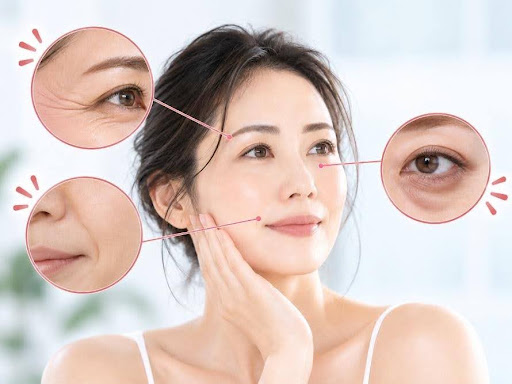
Anti-Aging Care in Japan for International Patients
Anti-aging treatment Japan searches often mix fear of looking “done” with hope for looking rested. At Garden Clinic, our anti-aging care for international patients is built around that tension. We focus on facial rejuvenation treatment that restores a youthful, refreshed impression — targeting sagging skin and under-eye concerns — with precise Japanese artistry rather than a one-template makeover.
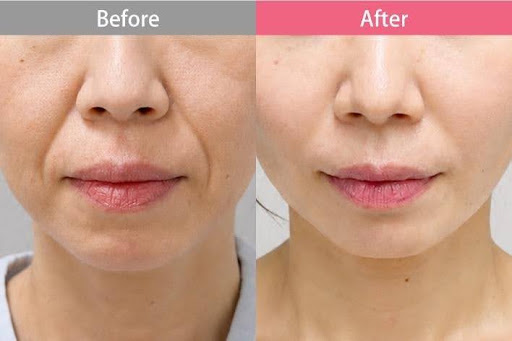 When forehead, cheeks, or temples look flatter with age, we may recommend facial fat grafting (micro-fat transfer). We collect excess fat from areas such as the abdomen, thighs, or buttocks, purify it, and place it where volume has declined. We present this as a natural approach using your own fat, free from foreign-body allergic reactions associated with foreign materials, and designed to sustain a youthful look as the transferred fat becomes part of you.
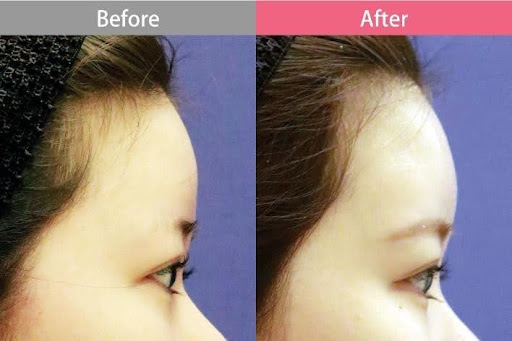 Related care stories on our site also include nasolabial folds and hollows above the eyes — ask us whether those patterns match what you see in your photos.
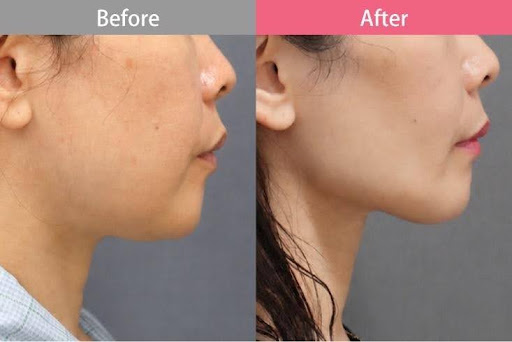
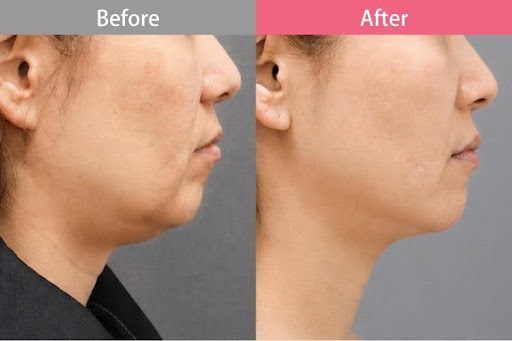
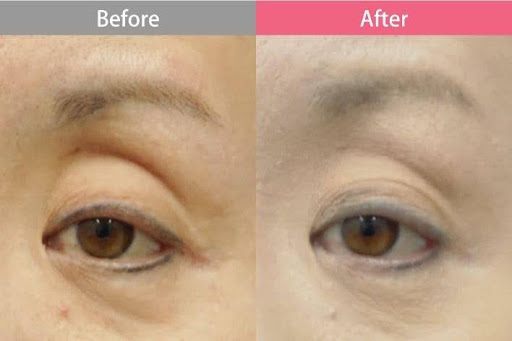
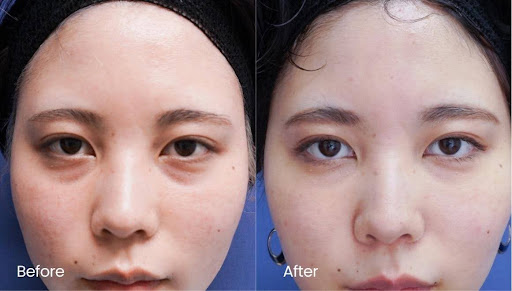 When stubborn under-eye bags and dark-circle tiredness come from protruding fat pads, we offer under-eye bag removal (lower blepharoplasty) through a transconjunctival approach from inside the lower eyelid — without a surface skin scar for that approach as we describe. We may transfer a small amount of your own fat into hollow tear troughs to smooth the lid–cheek junction. Many patients may resume light activities such as gentle sightseeing as early as the next day when they feel well.
Our anti-aging philosophy: refreshed, not rewritten
Aesthetic beauty, for us, means you still look like yourself on a good day. Director-General Hidenobu Oba, our Chief Medical Advisor, oversees physician techniques across our locations in Japan. His published path includes graduation from The Jikei University School of Medicine in 1994 and founding Garden Clinic in 2013, with more than 26 years in aesthetic surgery. That oversight exists so anti-aging plans stay measured and clinically grounded whether you meet us after photo pre-planning or in person.Concerns we commonly address
On our anti-ageing care pathway, we listen for: – Wrinkles and fine lines – Sagging and loss of firmness – Under-eye dark circles and bags These concerns often overlap. A tired look may be volume loss in the cheeks, soft-tissue descent along the jawline, protruding under-eye bags, or hollows that catch shadow. Naming the driver is the first clinical task — before naming a product trend.Facial fat grafting for lost volume
When forehead, cheeks, or temples look flatter with age, we may recommend facial fat grafting (micro-fat transfer). We collect excess fat from areas such as the abdomen, thighs, or buttocks, purify it, and place it where volume has declined. We present this as a natural approach using your own fat, free from foreign-body allergic reactions associated with foreign materials, and designed to sustain a youthful look as the transferred fat becomes part of you.
Related care stories on our site also include nasolabial folds and hollows above the eyes — ask us whether those patterns match what you see in your photos.
Thread lift for soft-tissue sagging
When sagging is the main story — a softer jawline or descended midface tissue — we may recommend a thread lift, which we describe as a non-surgical face lift. Our surgeons place specialised medical threads with a cog structure at an appropriate tissue depth to lift and support contour while aiming for a natural look without unnatural pulling. We also note collagen-stimulation intent within this method. When volume loss and sagging coexist, we may recommend combining a thread lift with facial fat grafting for synergistic support against future sagging.
Under-eye bag removal for puffiness and tired shadows
When stubborn under-eye bags and dark-circle tiredness come from protruding fat pads, we offer under-eye bag removal (lower blepharoplasty) through a transconjunctival approach from inside the lower eyelid — without a surface skin scar for that approach as we describe. We may transfer a small amount of your own fat into hollow tear troughs to smooth the lid–cheek junction. Many patients may resume light activities such as gentle sightseeing as early as the next day when they feel well.