
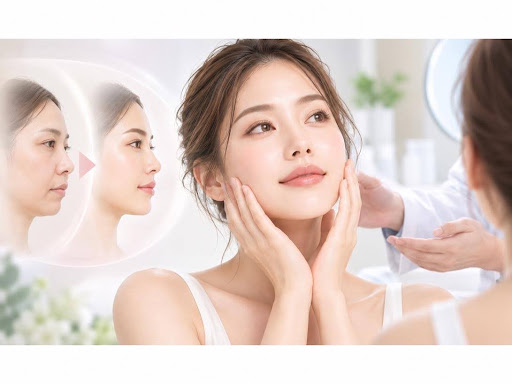
Why Patients Consider Japan for Natural-Looking Aesthetic Treatments
Patients considering aesthetic treatment overseas often share a similar goal: they want to look refreshed and more confident without looking noticeably different.
For some international patients, this is part of the appeal of seeking aesthetic treatment in Japan.
Rather than focusing on dramatic transformation, a natural-looking approach considers the patient’s existing facial features, proportions, movement, and individual preferences.
At Garden Clinic, treatment planning begins with understanding what the patient wants to improve — as well as what they want to preserve.
What Does “Natural-Looking” Actually Mean?
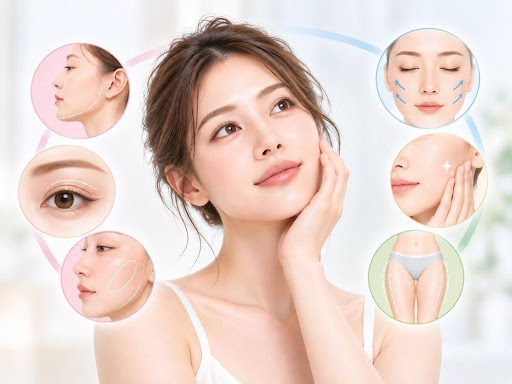 Natural-looking results are not defined by one particular face shape, eyelid crease, body proportion, or beauty standard.
They are individual.
A result that looks balanced on one patient may not suit another person with different facial features, anatomy, age, or proportions.
Creating a subtle result therefore requires careful decisions about:
- How much tissue should be reduced
- Where volume should be preserved
- Whether volume should be restored
- The position and shape of an eyelid crease
- How facial tissues move during expression
- How different areas of the face relate to one another
- How body contours transition between treated and untreated areas
- How much visible change the patient actually wants
Why Some International Patients Consider Japan
Patients travel to Japan for aesthetic treatment for many different reasons. Some are interested in Japanese approaches to design and precision. Others prefer a more subtle aesthetic and want treatment that works with their existing features rather than dramatically changing them. International patients may also consider Japan because they are looking for:- Careful treatment planning
- Natural-looking aesthetic goals
- Detailed consultations
- Established aesthetic surgery clinics
- Treatment options suited to Asian facial anatomy
- English or Chinese language support
- Clear international patient arrangements
- A combination of medical care and travel to Japan
Natural Results Begin With Understanding the Patient
One of the most useful things a patient can explain during consultation is what they do not want. For example:- “I want to look less tired, but still like myself.”
- “I want a subtle eyelid crease.”
- “I do not want my eyes to look dramatically different.”
- “I want more definition without looking too thin.”
- “I want my face to look refreshed rather than fuller.”
- “I do not want an obviously lifted appearance.”
Facial Balance Is More Than One Feature
The face should not be assessed as a collection of completely separate areas. The eyes, cheeks, temples, forehead, jawline, chin, and under-eye area all contribute to overall facial balance. For example, reducing lower-face fat without considering existing cheek or temple hollowness could make some patients appear more tired. Similarly, adding too much facial volume may reduce definition rather than improve it. A natural-looking treatment plan considers how changes to one area may affect the appearance of another.Double Eyelid Treatment and Natural Crease Design
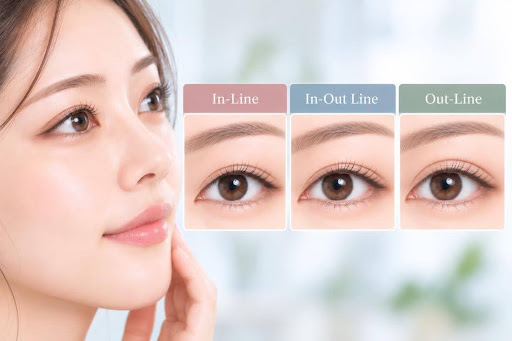 Patients considering double eyelid treatment may have very different ideas about what looks natural.
Some want a subtle crease that is visible mainly when the eyes are open.
Others prefer greater definition.
Garden Clinic offers non-incisional double eyelid treatment using a buried stitch method.
Depending on the patient’s anatomy and preferred appearance, crease designs may include:
- In-Line
- In-Out Line
- Out-Line
Under-Eye Rejuvenation
A tired appearance around the eyes can have several causes. Some patients have prominent under-eye fat, while others have hollowness, shadows, skin changes, or a combination of concerns. Where appropriate, Garden Clinic may perform under-eye bag removal through a transconjunctival approach, which accesses the area from inside the lower eyelid. Because the approach is made from inside the eyelid, there is no external skin incision from the procedure itself. In some patients, additional volume restoration may also be discussed when hollowness contributes to the appearance. Treatment suitability depends on the patient’s individual anatomy.Facial Fat Grafting for Volume Restoration
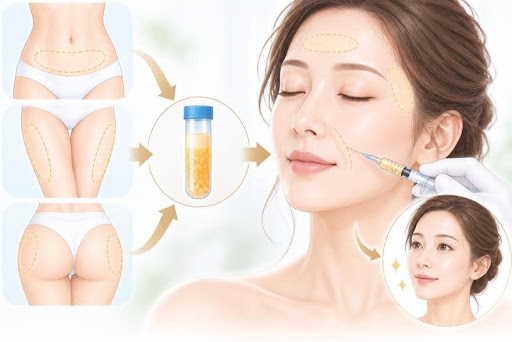 Facial ageing does not only involve sagging.
Volume may gradually decrease in areas such as the:
- Forehead
- Temples
- Cheeks
- Mid-face
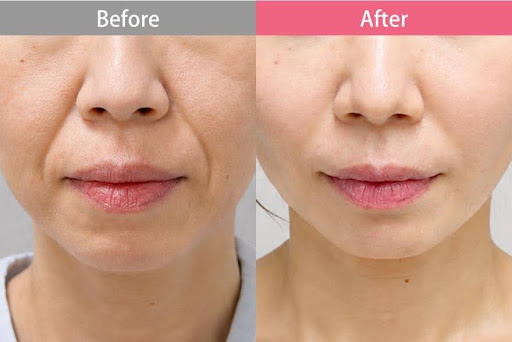 Facial fat grafting uses the patient’s own fat to restore volume to selected areas when appropriate.
Fat may be collected from a donor area such as the abdomen or thighs, prepared, and carefully transferred into the face.
The goal is not necessarily to make the face fuller.
Instead, treatment should restore volume selectively where it contributes to better facial balance.
Thread Lift for Facial Support
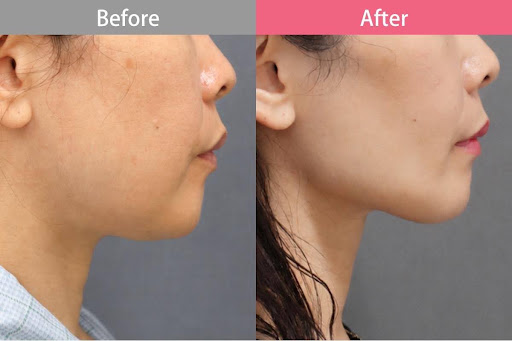 Some patients are more concerned about sagging than volume loss.
A thread lift may be considered when selected facial tissues would benefit from additional support.
Specialised threads are placed beneath the skin according to the direction in which the tissue needs to be supported.
The aim is a measured improvement while maintaining natural facial expression.
Thread lifting should not be presented as equivalent to every surgical face lift.
Patients with more significant sagging or loose skin may require a different approach.
Combining Treatments When Different Concerns Are Present
Facial ageing often involves more than one change. For example, a patient may have:- Volume loss in the temples
- Mild cheek descent
- Reduced jawline definition
- Under-eye bags
Natural-Looking Body Contouring
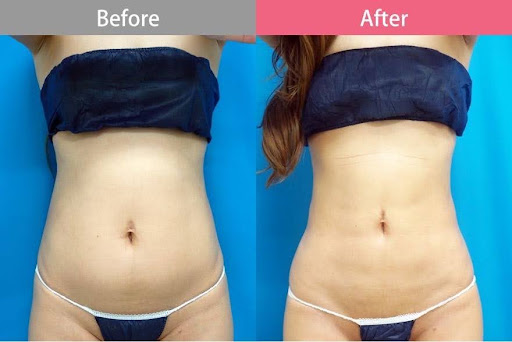 The same principle applies to body contouring.
Liposuction should not simply focus on removing the largest possible amount of fat.
The surrounding body proportions also matter.
Garden Clinic’s liposuction planning considers the relationship between treated and untreated areas to create smoother transitions and maintain overall proportion.
Depending on the treatment area, planning may consider:
- Natural muscle movement
- Body proportions
- Fat distribution
- Skin quality
- Symmetry
- Transitions between neighbouring areas
- The patient’s preferred contour
What Garden Clinic Does Not Promise
Realistic expectations are an important part of aesthetic treatment. Garden Clinic does not guarantee:- Identical results between patients
- Perfect symmetry
- Zero swelling or bruising
- Zero downtime
- A specific celebrity appearance
- A particular clothing size
- Permanent prevention of ageing
- A completely unchanged appearance during recovery
How to Explain That You Want a Natural Result
Patients do not need complicated medical language. Simple descriptions are often more useful. You might say: “I want to look like myself, just more refreshed.” Or: “I want people to notice that I look well, not immediately notice that I had treatment.” You can also describe what you want to preserve. For example:- Your natural smile
- Your existing eye shape
- Your facial character
- Your cheek definition
- Your ethnic features
- A particular facial proportion you already like
Should You Bring Celebrity Reference Photos?
Reference photographs can sometimes help communicate a general preference. However, they should not be treated as an exact target. Another person may have completely different:- Bone structure
- Facial proportions
- Eyelid anatomy
- Fat distribution
- Skin thickness
- Muscle structure
Starting Your Consultation From Overseas
International patients can contact Garden Clinic through WhatsApp or the enquiry form in English or Chinese. For an initial review, you may be asked to provide:- Clear photographs
- Front and angled views
- Side views where relevant
- Images without filters
- Your main concern
- Your preferred result
- Relevant medical history
- Current medication
- Previous aesthetic treatments
- Preferred travel dates
- Important upcoming events
Questions Worth Asking During Consultation
If maintaining a natural appearance is important to you, consider asking:- What exactly would you change?
- What would you leave unchanged?
- How much improvement is realistic?
- Could this treatment make another area look less balanced?
- Is there a more conservative option?
- What happens if we do less?
- What are the limitations of this treatment?
- What result would you consider excessive for my anatomy?
- What will recovery look like?
- When can I reasonably judge the result?
Planning Treatment as an Overseas Patient
Before booking non-refundable flights, make sure you understand:- Which treatment is being considered
- Whether the recommendation is preliminary
- The expected recovery period
- How long you should remain in Japan
- When your progress check will take place
- What your estimated quotation includes
- Whether interpreter support is available
- How airport transfer is arranged
- What follow-up support is available after returning home
Interpreter and International Patient Support
International patients can communicate with Garden Clinic in English or Chinese through the clinic’s designated contact channels. Dedicated interpreters can also assist during consultation and treatment. The role of an interpreter is particularly important during discussions about:- Treatment suitability
- Expected outcomes
- Limitations
- Risks
- Anaesthesia
- Recovery
- Medication
- Aftercare
- Follow-up
Airport Transfer
Garden Clinic provides complimentary airport transfer from Narita Airport or Haneda Airport for eligible international patients according to the arrangements confirmed before travel. Depending on the individual arrangement, transfer may be provided from the airport to Garden Clinic or a partnered hotel. Patients should confirm the exact transfer details before booking flights.Recovery and Natural-Looking Results
A natural final result may not look natural during the earliest stage of recovery. Swelling, bruising, tightness, or temporary asymmetry can make the treated area appear different before healing progresses. This is particularly important for overseas patients who may be tempted to judge the outcome immediately before returning home. Recovery differs between procedures and between patients. Follow the instructions provided by the medical team and allow sufficient time before assessing the final appearance.After You Return Home
Healing may continue after leaving Japan. Patients can contact Garden Clinic if they have questions about recovery. When contacting the clinic, provide clear photographs and explain:- What you are experiencing
- When it began
- Whether it is improving
- Whether it is becoming worse
- Whether there are additional symptoms
- Whether you are following the prescribed aftercare