
Eyelid Surgery and Under-Eye Rejuvenation in Japan for International Patients
Patients researching eyelid surgery in Japan often have very different concerns.
Some want to reduce prominent under-eye bags. Others want to create or refine an upper-eyelid crease. Some simply feel that their eye area looks tired because of hollowness or shadows.
Although these concerns involve the same general area of the face, they are not treated in the same way.
At Garden Clinic, treatment planning begins by identifying what is contributing to the patient’s concern before deciding which procedure, if any, may be appropriate.
Understanding What Is Making the Eye Area Look Tired
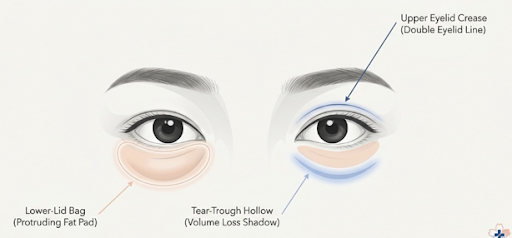 The appearance of the eye area can be influenced by several factors, including:
- Protruding fat beneath the lower eyelids
- Under-eye hollowness
- Shadows caused by changes in facial volume
- Upper-eyelid crease shape
- Eyelid skin and tissue
- Natural facial anatomy
- Differences between the two eyes
Eye Bag Removal for Lower-Eyelid Fullness
Under-eye bags may develop when fat beneath the lower eyelid becomes more prominent. For suitable patients, Garden Clinic offers under-eye bag removal using a transconjunctival lower blepharoplasty approach. The procedure is performed from inside the lower eyelid rather than through an external skin incision. This means there is no surface skin incision from the procedure itself. The aim is to reduce appropriate areas of protruding fat while maintaining a natural relationship between the lower eyelid and cheek.Who May Consider Under-Eye Bag Removal?
Eye bag removal may be considered when the main concern is visible lower-eyelid fullness caused by protruding fat. Patients may describe concerns such as:- Persistent bags beneath the eyes
- A tired appearance even after adequate rest
- Lower-eyelid fullness that creates shadows
- Bags that appear more obvious in certain lighting
- Differences in fullness between the two eyes
Under-Eye Bags Versus Hollowness
Under-eye bags and under-eye hollowness can sometimes appear together. A patient may have a prominent area of fat immediately beneath the eyelid followed by a hollow or depressed area below it. This difference in contour can create a stronger shadow and make the under-eye area appear more tired. In suitable patients, the doctor may discuss whether volume restoration could help improve this transition. Garden Clinic may use micro-fat transfer when facial volume restoration is considered appropriate. The goal is not simply to remove as much fat as possible. Treatment should consider the relationship between the lower eyelid, under-eye area, and cheek.Why Excessive Fat Removal May Not Be Appropriate
The eye area naturally changes with age. Removing too much fat from the lower eyelid may create or worsen hollowness in some patients. For this reason, treatment should be based on individual anatomy rather than aggressive fat reduction. The aim is to improve the concern while maintaining balanced contours around the eyes.Recovery After Under-Eye Bag Removal
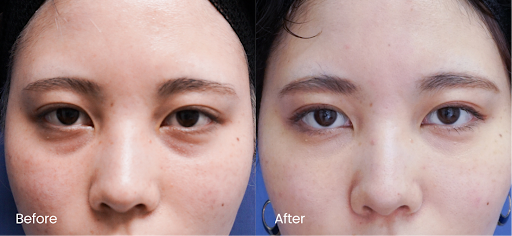 Recovery varies between patients.
Temporary effects may include:
- Swelling
- Bruising
- Tenderness
- Mild discomfort
- Temporary differences between the two sides
- A sensation of tightness or irritation
Double Eyelid Surgery for Upper-Eyelid Crease Design
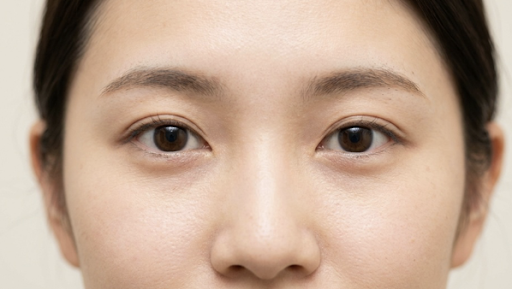 Double eyelid surgery addresses a different concern. Rather than treating under-eye bags, it focuses on creating or refining a crease in the upper eyelid.
Garden Clinic offers a non-incisional buried stitch method for suitable patients.
The treatment is planned according to the patient’s existing eyelid anatomy, eye shape, preferred crease, and desired degree of change.
Double Eyelid Crease Options
Different crease designs can create different appearances. Garden Clinic may discuss crease styles including:In-Line
The crease begins close to the inner corner of the eye and generally follows the natural upper-eyelid contour. This may create a more subtle appearance in suitable patients.In-Out Line
The crease begins closer to the inner corner before becoming more visible toward the outer part of the eyelid. This can create a balance between a subtle and more defined crease.Out-Line
The crease remains more visibly separated from the inner corner. This may create a more defined double-eyelid appearance in suitable patients. No single design is appropriate for everyone. The doctor will consider eyelid anatomy and the patient’s preferences during consultation.Natural Eyelid Design Is Individual
A natural-looking eyelid does not mean choosing the smallest possible crease. It means selecting a crease that works with the patient’s anatomy and desired appearance. Treatment planning may consider:- Existing eyelid folds
- Eyelid thickness
- Eye shape
- Inner-corner anatomy
- Natural asymmetry
- Brow position
- How the eyes look when open and closed
- The patient’s preferred level of definition
Is Garden Clinic’s Double Eyelid Method Incisional?
Garden Clinic offers a non-incisional double eyelid procedure using a buried stitch method for suitable patients. Rather than creating a long external incision, sutures are used to create the planned crease. The procedure may take approximately 30 minutes after numbing drops and local anaesthesia, although treatment time can vary. Suitability depends on the patient’s eyelid anatomy and should be confirmed during consultation.Recovery After Double Eyelid Treatment
Temporary symptoms during early recovery may include:- Swelling
- Bruising
- Mild tenderness
- A gritty or irritated sensation
- Temporary asymmetry
- Tightness around the eyelids
What Does “Blepharoplasty” Mean?
The term blepharoplasty can be confusing because it is used internationally to describe several types of eyelid surgery. Depending on the clinic or country, it may refer to:- Upper-eyelid surgery
- Lower-eyelid surgery
- Eye bag removal
- Procedures involving excess eyelid skin
- A combination of upper- and lower-eyelid treatment
Choosing the Right Starting Point
A simple way to think about the different concerns is: If prominent bags are the main concern: Begin with an eye bag removal assessment. If upper-eyelid crease shape is the main concern: Begin with a double eyelid consultation. If hollow shadows are the main concern: A volume assessment may be more appropriate. If several concerns are present: The doctor can assess the entire eye area and explain which treatment should be prioritised. Patients should not feel that they need to diagnose themselves before contacting the clinic.Can Eye Bag Removal and Double Eyelid Surgery Be Performed Together?
In some patients, both upper- and lower-eyelid concerns may be present. Whether the procedures can or should be performed during the same treatment period depends on:- The patient’s anatomy
- Medical suitability
- The extent of each procedure
- Recovery considerations
- The patient’s goals
- The doctor’s assessment
What Eyelid Treatment Cannot Guarantee
Eyelid surgery cannot guarantee:- Perfect symmetry
- Identical results between patients
- A specific celebrity eye shape
- Zero swelling or bruising
- Zero downtime
- A completely scar-free result in every type of eyelid surgery
- Permanent prevention of ageing
- An exact result based only on a reference photograph
Photos That Help With an Initial Review
International patients can begin by sending clear photographs to Garden Clinic through WhatsApp or the enquiry form. Helpful photographs may include:- Front view with the eyes naturally open
- Front view with the eyes closed
- Left and right angled views
- Side views where appropriate
- A relaxed facial expression
- Clear, even lighting
- No filters or beauty effects
- No contact lenses if they significantly alter the appearance of the eyes
- Hair kept away from the eye area
Planning Eyelid Treatment From Overseas
International patients can contact Garden Clinic through WhatsApp or the enquiry form in English or Chinese. During the initial enquiry, patients should provide:- Clear eye-area photographs
- Their main concern
- Their preferred result
- Relevant medical history
- Current medication
- Previous eye or facial procedures
- Any previous injectable or aesthetic treatments around the eyes
- Preferred travel dates
- Important work or family events
What to Confirm Before Booking Flights
Before making non-refundable travel arrangements, international patients should confirm:- Which procedure is being considered
- Whether the recommendation is preliminary
- The expected recovery period
- The recommended length of stay in Japan
- When the progress check will take place
- What the estimated quotation includes
- Whether interpreter support is available
- Whether airport transfer is included
- When it may be appropriate to fly home
- Whether upcoming work or social commitments leave enough recovery time
- The procedure
- Anaesthesia
- Prescribed medication
- Post-operative care
- Follow-up checks
- Airport transfer
Interpreter Support for International Patients
Dedicated interpreters can support international patients during consultation and treatment. This is particularly important when discussing:- The proposed procedure
- Alternative options
- Risks and limitations
- Anaesthesia
- Expected recovery
- Medication
- Aftercare
- When to contact the clinic
- When local medical care may be necessary
Airport Transfer
Garden Clinic provides complimentary airport transfer from Narita Airport or Haneda Airport for eligible international patients according to arrangements confirmed before travel. Depending on the individual arrangement, transfer may be provided from the airport to Garden Clinic or a partnered hotel. Patients should confirm the exact details before booking flights.Planning Around Work and Important Events
The eye area can remain visibly swollen or bruised even after the patient feels comfortable returning to normal daily activities. Patients should tell Garden Clinic if they have upcoming:- Work presentations
- Weddings
- Family photographs
- Public appearances
- Important social events
- Long-distance travel
After Returning Home
Recovery may continue after leaving Japan. Patients should follow the aftercare instructions provided by Garden Clinic and contact the team if they have concerns. When contacting the clinic, provide:- Clear photographs
- The area of concern
- When the symptom began
- Whether it is improving or worsening
- Whether there is increasing pain
- Whether redness, discharge, fever, or significant swelling is present
- Whether there are any changes in vision
- Whether medication and aftercare instructions have been followed
Keeping the Result Natural
Eye-area treatment should consider the relationship between the upper eyelids, lower eyelids, cheeks, brows, and the rest of the face. The aim is not to apply one standard eye shape to every patient. Garden Clinic plans treatment according to the patient’s existing features, anatomy, and preferred level of change. Patients should explain what they want to preserve as clearly as what they would like to improve.Frequently Asked Questions
What is the difference between eye bag removal and double eyelid surgery?
Eye bag removal addresses fullness beneath the lower eyelids. Double eyelid surgery creates or refines a crease in the upper eyelid. They treat different concerns.Is Garden Clinic’s double eyelid method incisional?
Garden Clinic offers a non-incisional buried stitch method for suitable patients. The final treatment recommendation depends on the patient’s eyelid anatomy.Does under-eye bag removal leave an external scar?
Garden Clinic’s transconjunctival lower blepharoplasty approach is performed from inside the lower eyelid, so there is no external skin incision from this procedure.Can under-eye bags and hollowness be treated together?
Sometimes. If both protruding fat and volume loss contribute to the appearance, the doctor may discuss whether a combination approach is appropriate.Can eye bag removal and double eyelid treatment be done together?
They may be considered together in suitable patients, but the decision depends on anatomy, medical suitability, and the individual treatment plan.How long does swelling last after eye bag removal?
Swelling is often most noticeable during the first three to four days. Milder swelling or bruising may continue for approximately one to two weeks or longer. Individual recovery varies.How long does swelling last after double eyelid treatment?
Swelling, bruising, or a gritty sensation may be noticeable during approximately the first week and should gradually improve. Residual swelling may take longer to settle.When can I wear eye makeup again?
The medical team will advise when makeup can safely be used around the treated area. Patients should avoid applying products directly around treatment sites until they have been cleared to do so.Can I wear contact lenses after treatment?
This depends on the procedure and the stage of recovery. Patients should follow the doctor’s instructions regarding when contact lens use can resume.Will both eyes look exactly the same?
Perfect symmetry cannot be guaranteed. Most people naturally have differences between their two eyes, and temporary asymmetry may also be more noticeable during recovery.Can photographs confirm which procedure I need?
No. Photographs can help begin the discussion, but the final diagnosis and treatment recommendation require an in-person assessment.How should I explain my concern through WhatsApp?
Use straightforward language. For example: “My main concern is the bags beneath my eyes.” “I want a subtle double-eyelid crease.” “My under-eyes look hollow rather than puffy.” “I have both upper- and lower-eyelid concerns and would like the doctor to assess them.”How long should I stay in Japan?
The recommended stay depends on the procedure and your recovery. Garden Clinic will advise when your progress check should take place and when travel may be appropriate.Questions to Ask When Comparing Clinics
When researching eyelid surgery in Japan, consider asking:- What is causing my main concern?
- Which procedure are you recommending and why?
- Is the procedure incisional or non-incisional?
- Where will any incisions or access points be located?
- What type of anaesthesia is used?
- What degree of change is realistic?
- Could reducing fat create additional hollowness?
- What recovery should I expect?
- How long should I remain in Japan?
- What does the quotation include?
- What happens if the treatment plan changes after examination?
- Is interpreter support available?
- What follow-up is available after I return home?
- How is airport transfer arranged?