
Eye Bag Removal in Japan: A Guide for Overseas Patients
Eye Bag Removal in Japan: Understanding Your Treatment Options
Persistent eye bags can make the face appear tired even after adequate rest. For some people, this appearance is caused by fat beneath the lower eyelids becoming more prominent. For others, under-eye hollowness, shadows, or changes in skin quality may contribute to a similar concern.
Although these conditions can look alike, they may require different treatment approaches.
For international patients considering eye bag removal in Japan, understanding the underlying cause, available procedures, and expected recovery can help them make an informed decision.
At Garden Clinic, treatment planning considers each patient’s lower-eyelid anatomy, surrounding facial volume, and aesthetic preferences before determining whether surgery or another approach may be appropriate.
What Causes Eye Bags?
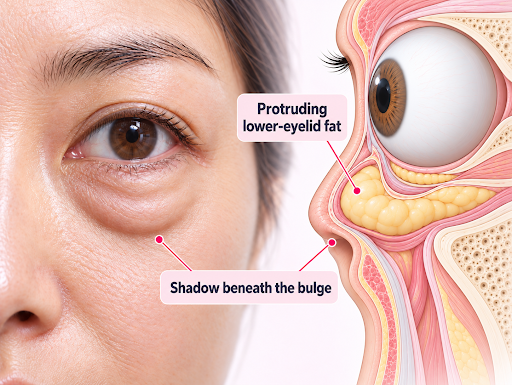
Eye bags commonly develop when fat beneath the lower eyelid becomes more prominent.
This may create:
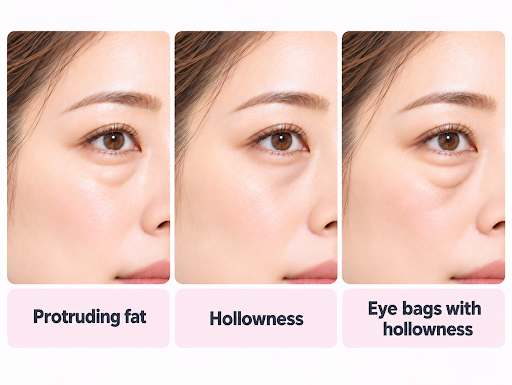 Not every tired-looking under-eye area is caused by eye bags.
Some patients have protruding lower-eyelid fat, while others experience hollowness beneath the eyes. It is also possible to have both conditions at the same time.
Under-eye concern Typical appearance Treatment consideration
Protruding fat Rounded bulge beneath the lower eyelid
Eye bag removal may be considered
Under-eye
hollowness
Eye bags with hollowness
Depressed area or visible tear trough
Bulge above a hollow area, creating shadows
Volume restoration may be discussed
A combined approach may be assessed
Pigmentation Darker skin colour beneath the eyes
Loose skin Wrinkled or lax lower-eyelid skin
Removing fat may not address the main concern
Other treatment approaches may be required
A prominent fat pad positioned beside a hollow tear trough can create a noticeable transition between the lower eyelid and cheek. This difference in contour may produce shadows that make the under-eye area appear darker or more tired.
Removing protruding fat alone may not fully address hollowness or pigmentation.
For this reason, the doctor assesses the cause of the under-eye appearance before recommending treatment.
How Garden Clinic Performs Eye Bag Removal
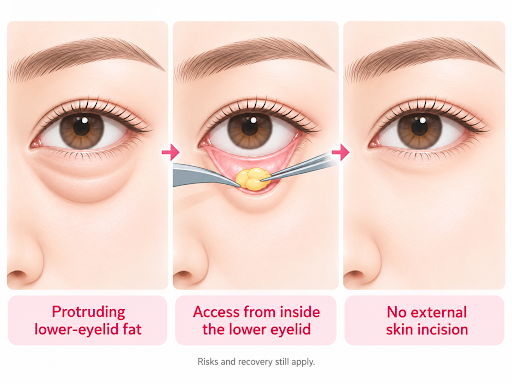 Garden Clinic offers eye bag removal using a transconjunctival lower blepharoplasty approach for suitable patients.
This technique accesses protruding lower-eyelid fat through the inside of the lower eyelid rather than through an external skin incision.
During the procedure, the doctor can access and adjust appropriate areas of protruding fat according to the patient’s anatomy.
Because the approach is performed from inside the lower eyelid, the procedure itself does not require an external skin incision.
However, the absence of an external incision does not mean the procedure is without risks or recovery requirements.
The treatment plan depends on the patient’s lower-eyelid structure, surrounding facial volume, and the degree of correction considered appropriate.
Why Conservative Fat Removal Matters
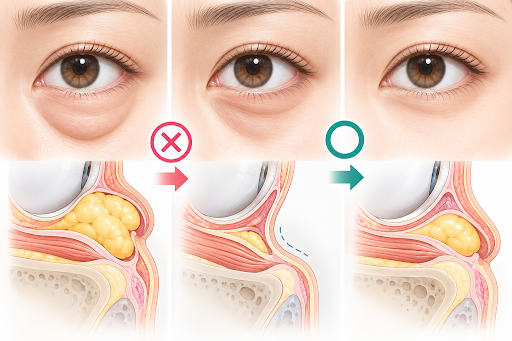 The objective of eye bag removal is not necessarily to remove as much fat as possible.
Fat around the lower eyelid contributes to the natural structure and contour of the eye area. Removing excessive amounts may create or worsen under-eye hollowness in some patients.
When planning treatment, the doctor considers the relationship between the lower eyelid, tear trough, upper cheek, existing facial volume, and natural asymmetry.
A conservative approach aims to reduce appropriate areas of protruding fat while maintaining a balanced transition between the lower eyelid and cheek.
When Might Micro-Fat Transfer Be Considered?
Some patients have a visible eye bag together with a hollow area immediately beneath it.
In these cases, reducing the prominent fat may improve the bulge while leaving some of the hollow contour unchanged.
When appropriate, the doctor may discuss whether volume restoration could help address the remaining hollowness.
Garden Clinic may use micro-fat transfer for selected areas of facial volume loss.
This involves using a small amount of the patient’s own fat to restore volume in an area where additional fullness may be appropriate.
Micro-fat transfer is not necessary for every patient undergoing eye bag removal.
Whether fat removal, volume restoration, or another treatment is considered depends on the patient’s anatomy and clinical assessment.
Who May Be Suitable for Eye Bag Removal?
Eye bag removal may be considered for individuals who:
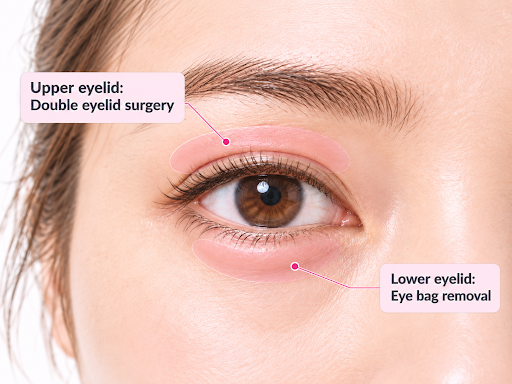 Although both procedures involve the eye area, eye bag removal and double eyelid surgery address different concerns.
Eye bag removal focuses on protruding fat beneath the lower eyelids. Double eyelid surgery focuses on creating or refining a crease in the upper eyelid.
The medical term blepharoplasty can refer to different types of eyelid surgery, including procedures involving the upper or lower eyelids.
Patients do not need to identify the exact medical procedure before requesting a consultation. Describing the area of concern is often a more useful starting point.
Can Both Procedures Be Performed Together?
Some patients may have concerns involving both their upper and lower eyelids.
Whether double eyelid surgery and eye bag removal can be considered during the same treatment period depends on their anatomy, medical suitability, treatment goals, and recovery requirements.
A combined approach should only be considered when there is a clinical reason to address both concerns.
More procedures do not necessarily produce a better outcome.
What Happens During Eye Bag Removal Treatment?
The exact procedure depends on the patient’s individual treatment plan.
For patients undergoing transconjunctival lower blepharoplasty, the general process may include:
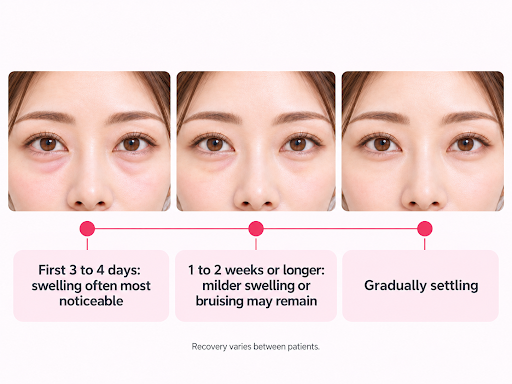 Recovery following eye bag surgery varies between patients.
Temporary effects may include:
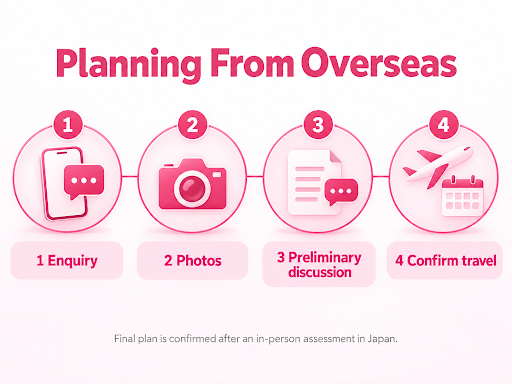 Travelling internationally for a medical procedure requires additional planning.
Patients should understand the proposed treatment, recovery expectations, travel arrangements, and follow-up process before confirming their visit.
Step 1: Contact Garden Clinic for an Initial Enquiry
International patients can contact Garden Clinic through WhatsApp or the online enquiry form in English or Chinese.
Helpful information includes:
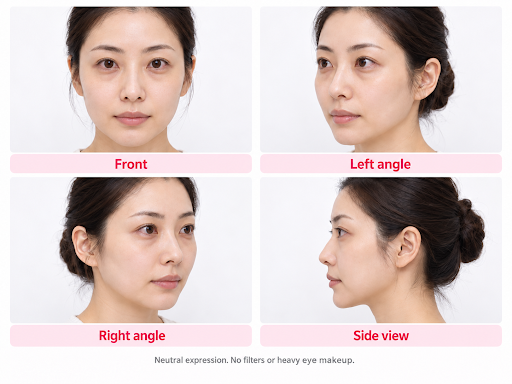 Patients may be asked to provide photographs to support an initial discussion. Useful photographs include:
Eye bags commonly develop when fat beneath the lower eyelid becomes more prominent.
This may create:
- A rounded bulge beneath the eyes
- Persistent lower-eyelid puffiness
- Shadows beneath the protruding area
- A tired-looking appearance
- Differences in fullness between the two eyes
Not every tired-looking under-eye area is caused by eye bags.
Some patients have protruding lower-eyelid fat, while others experience hollowness beneath the eyes. It is also possible to have both conditions at the same time.
Under-eye concern Typical appearance Treatment consideration
Protruding fat Rounded bulge beneath the lower eyelid
Eye bag removal may be considered
Under-eye
hollowness
Eye bags with hollowness
Depressed area or visible tear trough
Bulge above a hollow area, creating shadows
Volume restoration may be discussed
A combined approach may be assessed
Pigmentation Darker skin colour beneath the eyes
Loose skin Wrinkled or lax lower-eyelid skin
Removing fat may not address the main concern
Other treatment approaches may be required
A prominent fat pad positioned beside a hollow tear trough can create a noticeable transition between the lower eyelid and cheek. This difference in contour may produce shadows that make the under-eye area appear darker or more tired.
Removing protruding fat alone may not fully address hollowness or pigmentation.
For this reason, the doctor assesses the cause of the under-eye appearance before recommending treatment.
How Garden Clinic Performs Eye Bag Removal
Garden Clinic offers eye bag removal using a transconjunctival lower blepharoplasty approach for suitable patients.
This technique accesses protruding lower-eyelid fat through the inside of the lower eyelid rather than through an external skin incision.
During the procedure, the doctor can access and adjust appropriate areas of protruding fat according to the patient’s anatomy.
Because the approach is performed from inside the lower eyelid, the procedure itself does not require an external skin incision.
However, the absence of an external incision does not mean the procedure is without risks or recovery requirements.
The treatment plan depends on the patient’s lower-eyelid structure, surrounding facial volume, and the degree of correction considered appropriate.
Why Conservative Fat Removal Matters
The objective of eye bag removal is not necessarily to remove as much fat as possible.
Fat around the lower eyelid contributes to the natural structure and contour of the eye area. Removing excessive amounts may create or worsen under-eye hollowness in some patients.
When planning treatment, the doctor considers the relationship between the lower eyelid, tear trough, upper cheek, existing facial volume, and natural asymmetry.
A conservative approach aims to reduce appropriate areas of protruding fat while maintaining a balanced transition between the lower eyelid and cheek.
When Might Micro-Fat Transfer Be Considered?
Some patients have a visible eye bag together with a hollow area immediately beneath it.
In these cases, reducing the prominent fat may improve the bulge while leaving some of the hollow contour unchanged.
When appropriate, the doctor may discuss whether volume restoration could help address the remaining hollowness.
Garden Clinic may use micro-fat transfer for selected areas of facial volume loss.
This involves using a small amount of the patient’s own fat to restore volume in an area where additional fullness may be appropriate.
Micro-fat transfer is not necessary for every patient undergoing eye bag removal.
Whether fat removal, volume restoration, or another treatment is considered depends on the patient’s anatomy and clinical assessment.
Who May Be Suitable for Eye Bag Removal?
Eye bag removal may be considered for individuals who:
- Have persistent lower-eyelid fullness associated with protruding fat ● Notice visible eye bags even after adequate rest
- Experience shadows caused by the contour of prominent under-eye fat ● Have realistic expectations about the potential results
- Understand the procedure’s risks and limitations
- Are medically suitable for surgery
- Can follow the recommended recovery and aftercare instructions
- Dark circles caused by pigmentation or visible blood vessels
- Significant skin laxity
- Fine lines around the eyes
- Deep tear trough hollowness
- General facial volume loss
- Natural differences between the two sides of the face
- All causes of a tired-looking appearance
Although both procedures involve the eye area, eye bag removal and double eyelid surgery address different concerns.
Eye bag removal focuses on protruding fat beneath the lower eyelids. Double eyelid surgery focuses on creating or refining a crease in the upper eyelid.
The medical term blepharoplasty can refer to different types of eyelid surgery, including procedures involving the upper or lower eyelids.
Patients do not need to identify the exact medical procedure before requesting a consultation. Describing the area of concern is often a more useful starting point.
Can Both Procedures Be Performed Together?
Some patients may have concerns involving both their upper and lower eyelids.
Whether double eyelid surgery and eye bag removal can be considered during the same treatment period depends on their anatomy, medical suitability, treatment goals, and recovery requirements.
A combined approach should only be considered when there is a clinical reason to address both concerns.
More procedures do not necessarily produce a better outcome.
What Happens During Eye Bag Removal Treatment?
The exact procedure depends on the patient’s individual treatment plan.
For patients undergoing transconjunctival lower blepharoplasty, the general process may include:
- Medical consultation: The doctor examines the lower-eyelid structure, discusses the patient’s concerns, and assesses treatment suitability.
- Treatment planning: The areas requiring correction are identified according to the patient’s anatomy.
- Anaesthesia: The appropriate anaesthesia is administered according to the treatment plan.
- Fat adjustment: The doctor accesses the lower-eyelid fat through the inside of the eyelid and adjusts the appropriate areas.
- Post-treatment observation: The medical team monitors the patient and provides initial recovery guidance.
- Aftercare instructions: The patient receives information about medication, recovery, and follow-up arrangements.
Recovery following eye bag surgery varies between patients.
Temporary effects may include:
- Swelling
- Bruising
- Tenderness
- Tightness around the lower eyelids
- Mild irritation or discomfort
- Changes in sensation around the treated area
- Temporary differences between the two sides
- Strenuous exercise
- Heavy lifting
- Saunas and excessive heat
- Swimming
- Activities that place pressure around the eyes
- Certain skincare or beauty treatments
Travelling internationally for a medical procedure requires additional planning.
Patients should understand the proposed treatment, recovery expectations, travel arrangements, and follow-up process before confirming their visit.
Step 1: Contact Garden Clinic for an Initial Enquiry
International patients can contact Garden Clinic through WhatsApp or the online enquiry form in English or Chinese.
Helpful information includes:
- The primary under-eye concern
- The patient’s preferred outcome
- Relevant medical history
- Current medication
- Previous eye or facial procedures
- Preferred travel dates
- Upcoming important events
Patients may be asked to provide photographs to support an initial discussion. Useful photographs include:
- A front view of the face
- Left and right angled views
- Side views where appropriate
- Which treatment is being considered
- Whether the recommendation is preliminary
- Whether additional procedures may be discussed
- The expected recovery period
- The recommended length of stay in Japan
- When the progress check will take place
- When returning home may be appropriate
- Estimated treatment costs and inclusions
- Interpreter availability
- Airport transfer arrangements
- The procedure
- Anaesthesia
- Prescribed medication
- Post-operative care
- Follow-up checks
- Airport transfer
- Clear photographs of the affected area
- A description of the symptom
- When it first appeared
- Whether it is improving or worsening
- Information about pain, redness, discharge, fever, or swelling
- Any changes in vision
- Whether medication and aftercare instructions have been followed
- Is my under-eye concern primarily caused by protruding fat, hollowness, or both? 2. Why is the recommended procedure suitable for my anatomy?
- Will the treatment involve an incision inside or outside the lower eyelid? 4. How will the surgeon assess the amount of fat that should be adjusted? 5. Could fat removal worsen existing hollowness?
- Would volume restoration be appropriate in my case?
- What risks and limitations should I understand?
- What follow-up support is available if complications or concerns arise after returning home?