
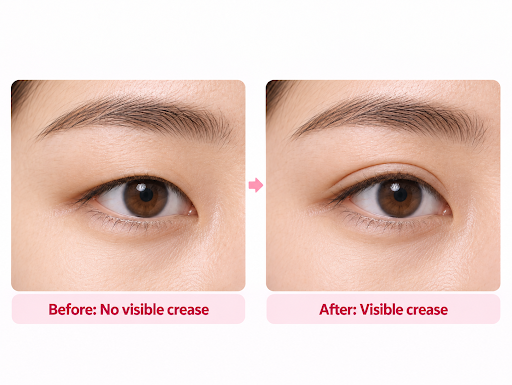
Double Eyelid Surgery in Japan for International Patients
Double Eyelid Surgery in Japan: Understanding Your Options
Double eyelid surgery is a cosmetic procedure designed to create or refine a visible crease in the upper eyelid.
For patients considering double eyelid surgery in Japan, understanding the available techniques, crease designs, recovery process, and treatment limitations can help them make an informed decision.
Not everyone seeking eyelid surgery has the same concern. Some patients want to create a crease where one is not clearly visible, while others hope to refine an existing crease or address differences between their eyelids.
At Garden Clinic in Japan, treatment planning considers each patient’s eyelid anatomy, existing features, and desired degree of change. The objective is to determine whether a procedure is suitable and, if so, which approach may be appropriate.
What Is Double Eyelid Surgery?
Double eyelid surgery focuses on creating or refining a fold in the upper eyelid that becomes visible when the eyes are open.
The appearance of this crease can vary depending on several factors, including eyelid thickness, skin characteristics, underlying anatomy, and the patient’s natural eye shape.
Double eyelid surgery is different from procedures intended to address protruding fat beneath the lower eyelids, commonly known as eye bags.
Patients who are unsure which procedure relates to their concern can begin by describing what they would like to change rather than selecting a treatment based solely on its name.
Garden Clinic offers a non-incisional buried stitch method for suitable patients seeking upper-eyelid crease creation or refinement.
Understanding Different Double Eyelid Crease Designs
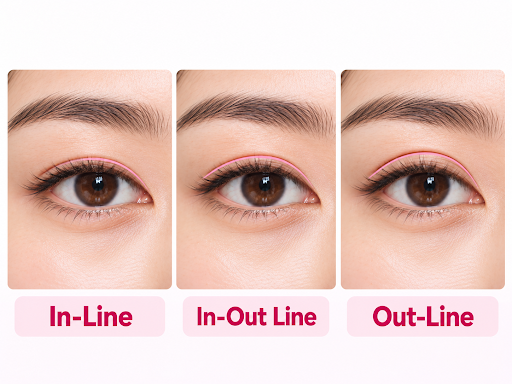 One of the important decisions in double eyelid surgery is selecting a crease design that complements the patient’s existing anatomy.
Different crease styles may produce different appearances, even when the same general treatment technique is used.
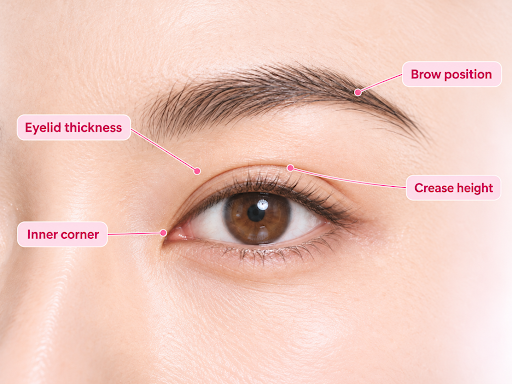 Natural-looking double eyelid surgery does not necessarily mean choosing the smallest or least visible crease.
Instead, it involves selecting a design that works with the patient’s existing features and preferred level of definition.
Important considerations may include:
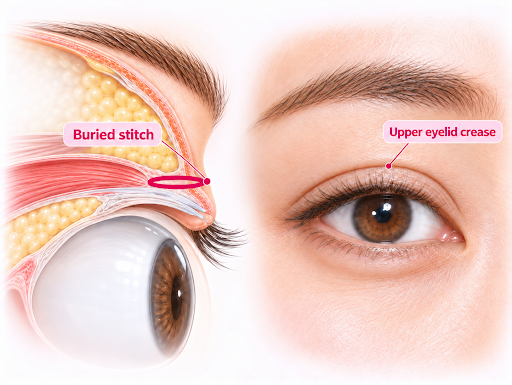 Garden Clinic offers a non-incisional double eyelid procedure using a buried stitch method for suitable patients.
Unlike an incisional approach that involves a longer external incision, the buried stitch method uses sutures to create the planned upper-eyelid crease.
The procedure may take approximately 30 minutes following numbing drops and local anaesthesia, although the actual treatment duration can vary.
The doctor assesses the patient’s eyelid structure and suitability before recommending treatment.
What Are the Limitations of the Buried Stitch Method?
Although a non-incisional approach may be suitable for some patients, it is not necessarily appropriate for every eyelid type or aesthetic concern.
Factors such as eyelid anatomy, tissue characteristics, and existing eyelid folds may influence whether the method is recommended.
Patients should also understand that a crease created using sutures is not guaranteed to remain unchanged indefinitely. The crease may weaken or change over time, and further treatment may sometimes be considered.
Potential complications and limitations should be discussed during consultation. These may include asymmetry, persistent swelling, irritation, infection, or concerns relating to the sutures or resulting crease.
The doctor should explain the proposed technique, expected outcome, relevant risks, and alternative options before treatment.
Who May Be Suitable for Double Eyelid Surgery? Double eyelid surgery may be considered by patients who:
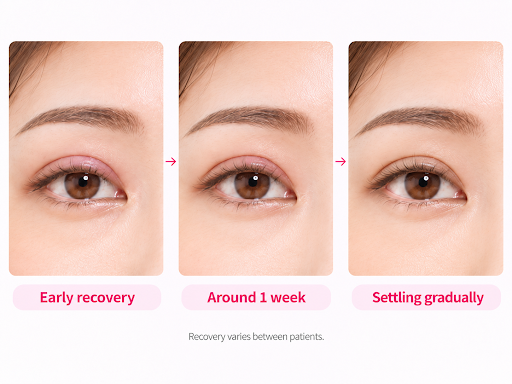 Recovery varies depending on the individual patient and the procedure performed. During early recovery, patients may experience temporary effects such as:
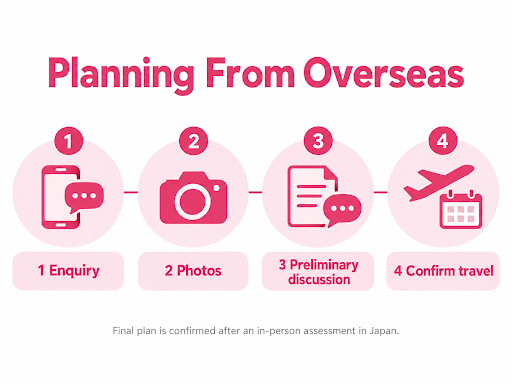 For patients travelling from overseas, treatment planning involves more than selecting a procedure.
It is important to understand the initial consultation process, expected recovery, travel arrangements, and follow-up care before confirming a trip.
Step 1: Contact Garden Clinic for an Initial Enquiry
International patients can contact Garden Clinic through WhatsApp or the online enquiry form in English or Chinese.
Patients may begin by sharing their primary concern and preferred result. Useful information includes:
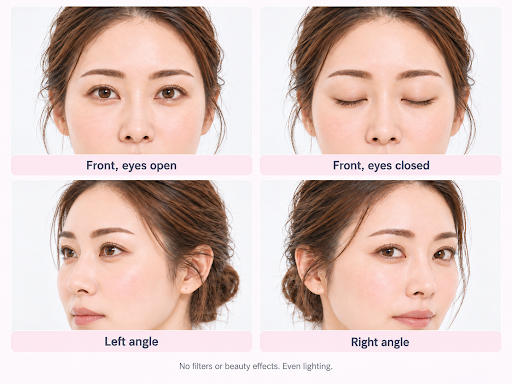 Clear photographs can help the medical team understand the patient’s concern before an in-person consultation.
Helpful photographs may include:
Double eyelid surgery focuses on creating or refining a fold in the upper eyelid that becomes visible when the eyes are open.
The appearance of this crease can vary depending on several factors, including eyelid thickness, skin characteristics, underlying anatomy, and the patient’s natural eye shape.
Double eyelid surgery is different from procedures intended to address protruding fat beneath the lower eyelids, commonly known as eye bags.
Patients who are unsure which procedure relates to their concern can begin by describing what they would like to change rather than selecting a treatment based solely on its name.
Garden Clinic offers a non-incisional buried stitch method for suitable patients seeking upper-eyelid crease creation or refinement.
Understanding Different Double Eyelid Crease Designs
One of the important decisions in double eyelid surgery is selecting a crease design that complements the patient’s existing anatomy.
Different crease styles may produce different appearances, even when the same general treatment technique is used.
- In-Line Double Eyelid
- In-Out Line Double Eyelid
- Out-Line Double Eyelid
Natural-looking double eyelid surgery does not necessarily mean choosing the smallest or least visible crease.
Instead, it involves selecting a design that works with the patient’s existing features and preferred level of definition.
Important considerations may include:
- Existing eyelid folds and creases
- Eyelid thickness and skin characteristics
- Natural eye shape
- Inner-corner anatomy
- Differences between the left and right eyelids
- Brow position
- Eyelid appearance when the eyes are open and closed
- The patient’s preferred crease height and definition
- “I would like a subtle crease without changing my overall eye shape.” ● “I want my upper eyelids to look slightly more defined.”
- “I prefer a natural-looking crease rather than a very high fold.”
Garden Clinic offers a non-incisional double eyelid procedure using a buried stitch method for suitable patients.
Unlike an incisional approach that involves a longer external incision, the buried stitch method uses sutures to create the planned upper-eyelid crease.
The procedure may take approximately 30 minutes following numbing drops and local anaesthesia, although the actual treatment duration can vary.
The doctor assesses the patient’s eyelid structure and suitability before recommending treatment.
What Are the Limitations of the Buried Stitch Method?
Although a non-incisional approach may be suitable for some patients, it is not necessarily appropriate for every eyelid type or aesthetic concern.
Factors such as eyelid anatomy, tissue characteristics, and existing eyelid folds may influence whether the method is recommended.
Patients should also understand that a crease created using sutures is not guaranteed to remain unchanged indefinitely. The crease may weaken or change over time, and further treatment may sometimes be considered.
Potential complications and limitations should be discussed during consultation. These may include asymmetry, persistent swelling, irritation, infection, or concerns relating to the sutures or resulting crease.
The doctor should explain the proposed technique, expected outcome, relevant risks, and alternative options before treatment.
Who May Be Suitable for Double Eyelid Surgery? Double eyelid surgery may be considered by patients who:
- Wish to create a more visible upper-eyelid crease
- Want to refine an existing eyelid fold
- Have concerns about the appearance or definition of their upper eyelids ● Understand that both eyes may not look perfectly identical
- Have realistic expectations about the potential results
- Are medically suitable for the proposed procedure
Recovery varies depending on the individual patient and the procedure performed. During early recovery, patients may experience temporary effects such as:
- Swelling around the upper eyelids
- Bruising
- Mild tenderness
- A gritty or irritated sensation
- Tightness around the eyelids
- Temporary differences between the two eyes
- Weddings or formal celebrations
- Work presentations
- Professional photography sessions
- Public appearances
- Important family events
- Long-distance travel
- Perfect symmetry between both eyes
- An identical appearance to another person’s eyes
- A specific celebrity-inspired eye shape
- No swelling or bruising
- Zero downtime
- A completely scar-free outcome for every eyelid procedure
- Permanent prevention of age-related changes
- An exact result based solely on reference photographs
For patients travelling from overseas, treatment planning involves more than selecting a procedure.
It is important to understand the initial consultation process, expected recovery, travel arrangements, and follow-up care before confirming a trip.
Step 1: Contact Garden Clinic for an Initial Enquiry
International patients can contact Garden Clinic through WhatsApp or the online enquiry form in English or Chinese.
Patients may begin by sharing their primary concern and preferred result. Useful information includes:
- Clear photographs of the eye area
- A brief description of the desired change
- Relevant medical history
- Current medications
- Previous eye or facial procedures
- Previous injectable or aesthetic treatments around the eyes
- Preferred travel dates
- Upcoming important events
Clear photographs can help the medical team understand the patient’s concern before an in-person consultation.
Helpful photographs may include:
- Front view with the eyes naturally open
- Front view with the eyes closed
- Left and right angled views
- Side views where appropriate
- The proposed treatment and whether it remains preliminary
- Expected recovery considerations
- Recommended length of stay in Japan
- Timing of any required progress checks
- Estimated treatment costs and inclusions
- Interpreter arrangements
- Airport transfer eligibility
- When return travel may be appropriate
- Follow-up arrangements after returning home
- The procedure
- Anaesthesia
- Prescribed medication
- Post-operative care
- Follow-up checks
- Airport transfer
- The recommended treatment
- Alternative options
- Potential risks and limitations
- Anaesthesia
- Expected recovery
- Medication and aftercare instructions
- Follow-up arrangements
- Situations requiring medical attention
- Clear photographs of the affected area
- A description of the concern
- When the symptom first appeared
- Whether the symptom is improving or worsening
- Information about pain, redness, discharge, fever, or swelling
- Any changes in vision
- Whether prescribed medication and aftercare instructions have been followed
- Which double eyelid technique is recommended for my anatomy, and why? ● What are the differences between incisional and non-incisional approaches? ● What factors could make the buried stitch method unsuitable for me? ● What are the potential risks and limitations of the recommended procedure? ● How likely is the crease to change or weaken over time?
- What degree of change is realistic for my existing eyelid anatomy?
- What happens if the final treatment recommendation differs from the preliminary assessment?
- What follow-up support is available if concerns arise after returning home?