
Facial Fat Transfer in Japan for International Patients
Facial fat transfer is a procedure that uses a patient’s own fat to restore volume to selected areas of the face.
As the face changes with age, areas such as the temples, forehead, and cheeks may gradually lose volume. This can create hollowness, shadows, or a tired appearance even when skin quality remains relatively good.
At Garden Clinic, facial fat grafting is planned according to the patient’s anatomy, existing facial volume, and desired result.
The aim is not simply to make the face fuller, but to restore volume where it may improve overall balance while preserving the patient’s natural features.
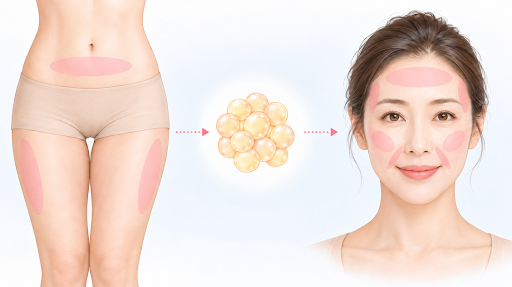 Facial fat transfer, also known as facial fat grafting or micro-fat transfer, involves collecting fat from another part of the patient’s body and transferring it into selected areas of the face.
The process generally involves:
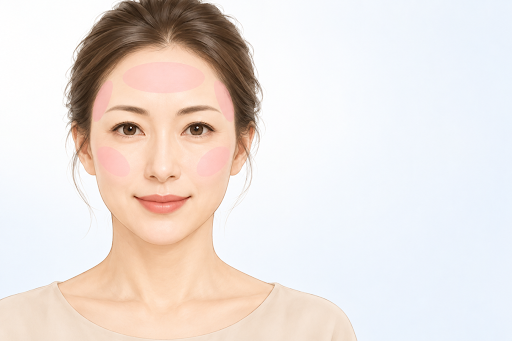
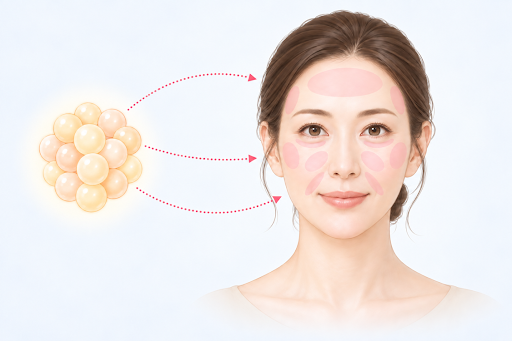 Facial fat transfer may be considered for areas such as:
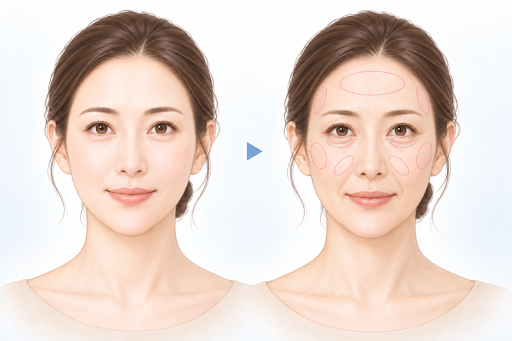 Facial ageing is not caused by skin changes alone.
Fat distribution and underlying facial volume also change over time.
Some areas may gradually lose fullness, particularly around the:
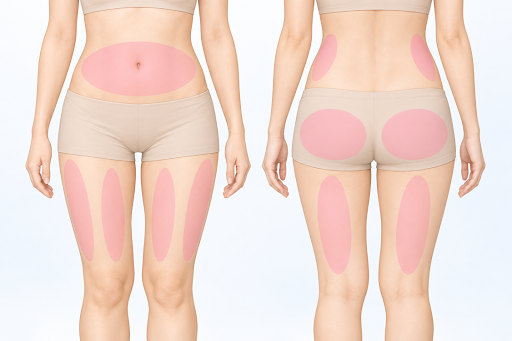 Fat used for facial grafting is collected from another part of the patient’s body.
Possible donor areas may include:
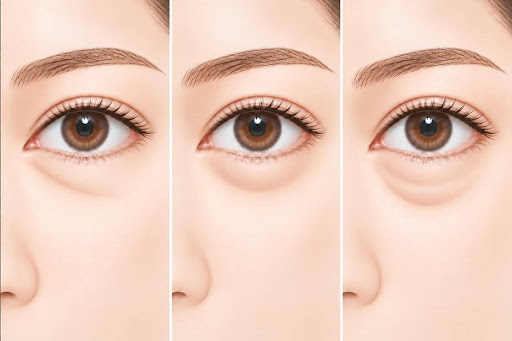 Under-eye hollowness and eye bags are different concerns.
A hollow tear trough may create a shadow beneath the lower eyelid even when there is no prominent fat bulge.
An eye bag, by comparison, may be caused by protruding fat beneath the lower eyelid.
Some patients have both.
When both are present, the doctor may discuss whether addressing only the bag or only the hollow would leave an uneven transition.
This is why the under-eye area should be assessed together with the upper cheek and surrounding volume.
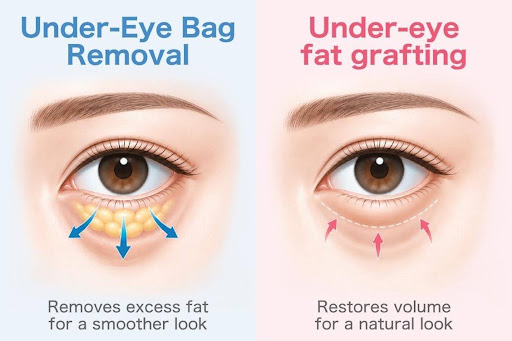 In suitable patients, a small amount of fat may be used to restore under-eye or tear-trough volume alongside treatment for prominent eye bags.
This may help improve the transition between the lower eyelid and cheek when hollowness contributes to the tired appearance.
Not every patient requires this combination.
The doctor will determine whether the concern is primarily:
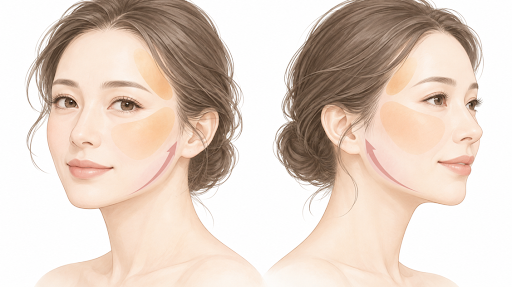 Some patients have both volume loss and facial sagging.
These are different changes.
Fat grafting restores volume, while a thread lift supports selected areas of sagging tissue.
In some cases, the doctor may discuss whether both treatments could contribute to a more balanced result.
For example, a patient may have:
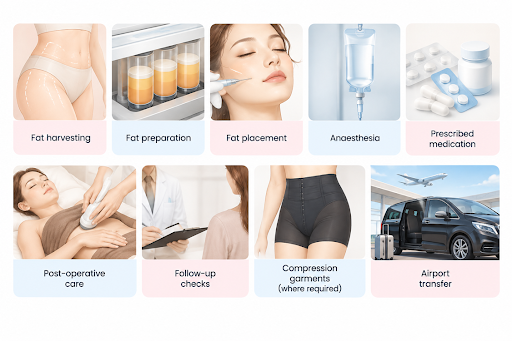 Depending on the confirmed treatment plan, the estimated quotation may include:
As the face changes with age, areas such as the temples, forehead, and cheeks may gradually lose volume. This can create hollowness, shadows, or a tired appearance even when skin quality remains relatively good.
At Garden Clinic, facial fat grafting is planned according to the patient’s anatomy, existing facial volume, and desired result.
The aim is not simply to make the face fuller, but to restore volume where it may improve overall balance while preserving the patient’s natural features.
What Is Facial Fat Transfer?
Facial fat transfer, also known as facial fat grafting or micro-fat transfer, involves collecting fat from another part of the patient’s body and transferring it into selected areas of the face.
The process generally involves:
- Assessing the face and identifying areas of volume loss
- Selecting a suitable donor area
- Collecting a controlled amount of fat
- Preparing the collected fat
- Carefully placing it into selected facial areas
Which Areas Can Be Treated?
Facial fat transfer may be considered for areas such as:
- Forehead
- Temples
- Cheeks
- Mid-face
- Tear trough or under-eye hollows
- Nasolabial areas
- Other selected areas of facial volume loss
Why Facial Volume Changes With Age
Facial ageing is not caused by skin changes alone.
Fat distribution and underlying facial volume also change over time.
Some areas may gradually lose fullness, particularly around the:
- Temples
- Forehead
- Cheeks
- Mid-face
- Under-eye area
- Deeper shadows
- Hollow temples
- Flatter cheeks
- A more tired appearance
- More visible transitions between facial areas
More Volume Is Not Always Better
A natural-looking result does not require filling every hollow or creating maximum fullness. Adding too much volume can alter facial proportions and make the face appear heavier than intended. Treatment planning therefore considers:- Existing facial structure
- Areas of true volume loss
- Areas where volume should be preserved
- Facial symmetry
- Skin quality
- Age-related changes
- The patient’s preferred level of change
Where Does the Donor Fat Come From?
Fat used for facial grafting is collected from another part of the patient’s body.
Possible donor areas may include:
- Abdomen
- Thighs
- Hips
- Buttocks
- Another area with suitable fat
How the Donor Area Is Selected
The doctor may consider:- Whether enough suitable fat is available
- Existing body proportions
- Previous liposuction
- Skin quality
- Scars
- Patient preference
- Recovery considerations
Facial Fat Transfer Is Not the Same as Facial Liposuction
The two treatments have opposite purposes. Facial fat transfer adds volume to selected areas. Facial liposuction removes selected areas of unwanted fat. A patient may believe they need a slimmer face when the appearance they dislike is actually caused by hollowness or volume imbalance. Similarly, a patient requesting volume may have an area where reducing fat would be more appropriate. The doctor will assess the face as a whole before recommending either approach.Under-Eye Hollowness Versus Eye Bags
Under-eye hollowness and eye bags are different concerns.
A hollow tear trough may create a shadow beneath the lower eyelid even when there is no prominent fat bulge.
An eye bag, by comparison, may be caused by protruding fat beneath the lower eyelid.
Some patients have both.
When both are present, the doctor may discuss whether addressing only the bag or only the hollow would leave an uneven transition.
This is why the under-eye area should be assessed together with the upper cheek and surrounding volume.
When Fat Transfer May Be Combined With Eye Bag Treatment
In suitable patients, a small amount of fat may be used to restore under-eye or tear-trough volume alongside treatment for prominent eye bags.
This may help improve the transition between the lower eyelid and cheek when hollowness contributes to the tired appearance.
Not every patient requires this combination.
The doctor will determine whether the concern is primarily:
- Protruding fat
- Volume loss
- A combination of both
- Another under-eye issue
Facial Fat Transfer and Thread Lift
Some patients have both volume loss and facial sagging.
These are different changes.
Fat grafting restores volume, while a thread lift supports selected areas of sagging tissue.
In some cases, the doctor may discuss whether both treatments could contribute to a more balanced result.
For example, a patient may have:
- Hollow temples
- Reduced cheek volume
- Mild lower-face sagging
Who May Be Suitable for Facial Fat Transfer?
Facial fat transfer may be considered for patients who:- Have areas of facial volume loss
- Have suitable donor fat
- Want to use their own tissue for volume restoration
- Have realistic expectations
- Understand that results can vary
- Are medically suitable for treatment
- Can follow recovery and aftercare instructions
What Facial Fat Transfer Cannot Guarantee
Facial fat transfer cannot guarantee:- Perfect symmetry
- An exact amount of retained volume
- Identical results between patients
- Permanent prevention of facial ageing
- A specific celebrity appearance
- Zero swelling or bruising
- That all transferred fat will remain permanently
- An exact facial shape based on a photograph
How Much of the Transferred Fat Remains?
Not all transferred fat necessarily remains permanently. During healing, some of the transferred fat may establish a lasting blood supply, while some may be naturally reabsorbed by the body. The amount that remains can vary between patients. Factors that may influence the result include:- Individual healing
- Treatment area
- Amount transferred
- Fat quality
- Technique
- Blood supply
- Smoking
- Weight changes
- Aftercare
Why the Face Can Look Overfilled at First
Swelling is expected after facial fat transfer. The face may initially appear fuller than anticipated because the early appearance reflects both:- Transferred fat
- Post-treatment swelling
What Happens During Treatment?
The exact process varies according to the individual plan. Generally, treatment may involve:- In-person medical consultation
- Facial assessment and treatment design
- Donor-area assessment
- Anaesthesia
- Collection of donor fat
- Preparation of the collected fat
- Placement into the selected facial areas
- Cooling and observation
- Medication and aftercare instructions
Recovery After Facial Fat Transfer
Recovery varies between patients. Temporary facial effects may include:- Swelling
- Bruising
- Tenderness
- Tightness
- Temporary unevenness
- A fuller-than-expected appearance
- Changes in sensation
Recovery at the Donor Area
Patients also need to consider the area where the fat was collected. Temporary effects may include:- Swelling
- Bruising
- Tenderness
- Firmness
- Tightness
- Changes in sensation
When Can I Return to Normal Activities?
The timing depends on the extent of treatment and individual recovery. Light daily activities may resume earlier than strenuous exercise. Patients should ask before restarting:- Gym training
- Running
- Heavy lifting
- Saunas
- Hot baths
- Facial massage
- Intensive skincare treatments
- Activities involving significant facial pressure
Will Weight Changes Affect the Result?
Transferred fat behaves similarly to other fat cells in the body. Significant weight gain or loss may therefore affect facial volume after treatment. Maintaining a relatively stable weight can help support the long-term appearance of the result. Patients planning substantial weight loss may wish to discuss the timing of treatment with the doctor.Photos for an Initial Overseas Review
International patients can begin by sending clear facial photographs through WhatsApp or the Garden Clinic enquiry form. Helpful photographs may include:- Front view
- Left and right side views
- Both angled views
- Clear, even lighting
- No filters or beauty effects
- Hair kept away from the face
- A relaxed facial expression
Planning Facial Fat Transfer From Overseas
International patients can contact Garden Clinic through WhatsApp or the enquiry form in English or Chinese. During the initial enquiry, patients should provide:- Clear facial photographs
- Their main areas of concern
- Their preferred level of change
- Relevant medical history
- Current medication
- Previous facial procedures
- Previous fillers or fat grafting, if applicable
- Possible donor-area information
- Preferred travel dates
- Important work or family events
What to Confirm Before Booking Flights
Before booking non-refundable travel arrangements, confirm:- Which facial areas are being considered
- Which donor area may be used
- Whether the recommendation is preliminary
- Whether another treatment may also be discussed
- The expected recovery period
- How long you should remain in Japan
- When the progress check will take place
- What your estimated quotation includes
- Whether interpreter support is available
- Whether airport transfer is included
- When flying home may be appropriate
Understanding the Cost of Facial Fat Transfer
The cost depends on the individual treatment plan. Factors that may affect the estimated quotation include:- The number of facial areas treated
- The donor area
- The complexity of fat harvesting
- The amount of preparation required
- Anaesthesia
- Whether another treatment is performed
- Aftercare requirements
What Your Estimated Quotation May Include
Depending on the confirmed treatment plan, the estimated quotation may include:
- Fat harvesting
- Fat preparation
- Fat placement
- Anaesthesia
- Prescribed medication
- Post-operative care
- Follow-up checks
- Compression garments where required
- Airport transfer
Interpreter Support
Dedicated interpreters can assist international patients during consultation and treatment. Interpreter support can help patients understand:- Which areas are being treated
- Why fat transfer is being recommended
- Which donor area is planned
- Expected results
- Limitations
- Risks
- Anaesthesia
- Recovery
- Aftercare
- Follow-up requirements
Airport Transfer
Garden Clinic provides complimentary airport transfer from Narita Airport or Haneda Airport for eligible international patients according to arrangements confirmed before travel. Depending on the individual plan, transfer may be provided from the airport to Garden Clinic or a partnered hotel. Patients should confirm the exact arrangements before travelling.Planning Around Work and Important Events
Tell Garden Clinic about important upcoming dates before treatment. These may include:- Work presentations
- Weddings
- Family photographs
- Public appearances
- Important social events
- Long-distance flights
Before You Fly Home
A progress check may be scheduled before departure depending on the individual treatment plan. The medical team may review:- Facial swelling
- Donor-area recovery
- Bruising
- Treatment areas
- Medication
- Compression garments where applicable
- Aftercare instructions
After Returning Home
Patients should continue following the aftercare instructions provided by Garden Clinic. If a concern develops after returning home, contact the clinic and provide:- Clear photographs
- The area of concern
- When the symptom began
- Whether it is improving or worsening
- Whether there is increasing pain
- Whether redness, warmth, discharge, or fever is present
- Whether the concern involves the face or donor area
- Whether medication and aftercare instructions have been followed
Keeping Facial Fat Transfer Results Natural
Natural-looking facial fat transfer is not about maximising volume. It is about restoring selected areas while maintaining harmony between the forehead, temples, cheeks, under-eye area, jawline, and the rest of the face. Patients should explain both what they want to improve and what they want to preserve. For example: “I want my cheeks to look less hollow, but I still want definition.” “I want my temples softened without making my face look wider.” “I want to look refreshed, not noticeably fuller.” These descriptions can help the doctor understand the patient’s preferred result.Frequently Asked Questions
Is facial fat transfer the same as fillers?
No. Facial fat transfer uses the patient’s own fat. Dermal fillers use injectable materials and are a different type of treatment.Where does the donor fat come from?
Fat may be collected from areas such as the abdomen, thighs, hips, or buttocks depending on the patient’s anatomy and treatment plan.Can fat transfer treat under-eye hollows?
It may be considered in suitable patients when volume loss contributes to under-eye hollowness. The doctor will first assess whether the concern is hollowness, protruding eye bags, or a combination.Can facial fat transfer be combined with a thread lift?
Sometimes. Fat grafting addresses volume loss, while a thread lift addresses selected areas of tissue sagging. Both may be considered when the patient has separate concerns that could benefit from each treatment.Can fat transfer be combined with eye bag removal?
Sometimes. If a patient has both protruding under-eye fat and adjacent hollowness, the doctor may discuss whether both concerns should be addressed.How long does facial swelling last?
Swelling may be most noticeable during the first three to four days. Milder swelling or bruising may continue for approximately one to two weeks or longer. Some residual swelling can persist beyond this period.Will my face look too full immediately after treatment?
It may appear fuller during early recovery because of swelling. The early appearance should not be treated as the final result.Does all transferred fat survive?
No. Some of the transferred fat may be naturally reabsorbed during healing. The amount that remains varies between patients.Is the result permanent?
Fat that successfully establishes itself may remain long term. However, facial ageing and weight changes continue, so the appearance can still change over time.Can weight loss affect facial fat transfer?
Yes. Significant weight loss can potentially reduce facial volume, including transferred fat. Maintaining a relatively stable weight may help support the result.Can photographs confirm whether I am suitable?
No. Photographs can support an initial discussion, but the final diagnosis and treatment plan require an in-person medical assessment.How should I describe my goal through WhatsApp?
Use simple language. For example: “My temples look hollow.” “I want more volume in my cheeks without looking overly full.” “I want to look less tired but still like myself.” “I am not sure which areas need volume and would like the doctor to assess my photographs.”How long should I stay in Japan?
The recommended stay depends on the treatment plan and individual recovery. Garden Clinic will advise when the progress check should take place and when travel may be appropriate.Questions to Ask When Comparing Clinics
When researching facial fat transfer in Japan, consider asking:- Which areas of my face are actually volume-deficient?
- Which areas do you recommend treating?
- How much volume are you planning to add?
- Which donor area will be used?
- How is the harvested fat prepared?
- What type of anaesthesia is planned?
- What happens if some of the transferred fat is absorbed?
- Could I need another treatment later?
- Would another procedure be more appropriate for any of my concerns?
- What recovery should I expect?
- What does my quotation include?
- How long should I remain in Japan?
- What follow-up is available after I return home?
- Is interpreter support available?
- How is airport transfer arranged?