
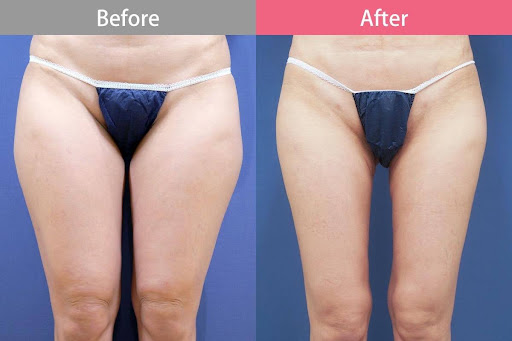
Body Contouring in Japan: A Guide to Refining Shape, Not Weight Loss
Body contouring is designed to refine specific areas of the body rather than achieve general weight loss.
A patient may be at a relatively stable weight but still notice areas of fullness that affect the overall silhouette. In these situations, liposuction may be considered to reduce selected areas of subcutaneous fat and improve proportion.
At Garden Clinic, body contouring is planned according to the patient’s anatomy, fat distribution, skin quality, movement, and desired result.
The aim is not simply to remove as much fat as possible, but to create a balanced contour that works with the patient’s natural physique.
For surgical body contouring, Garden Clinic uses liposuction to reduce selected areas of subcutaneous fat when medically appropriate.
Treatment planning may include:
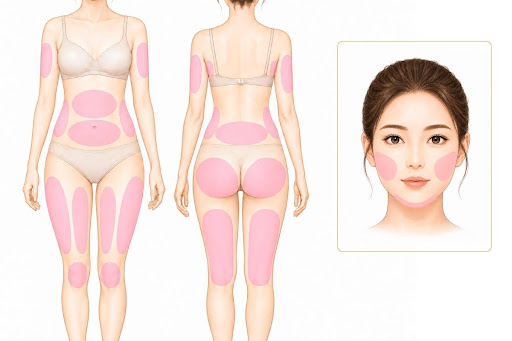 Depending on the patient’s anatomy and treatment goals, body contouring may be considered for areas such as:
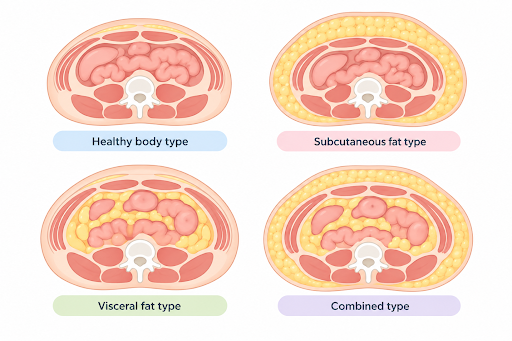 Liposuction removes subcutaneous fat, which is the fat located beneath the skin.
It does not remove visceral fat, which is located deeper inside the abdomen around the internal organs.
This distinction is particularly important for patients concerned about abdominal size.
A patient may have:
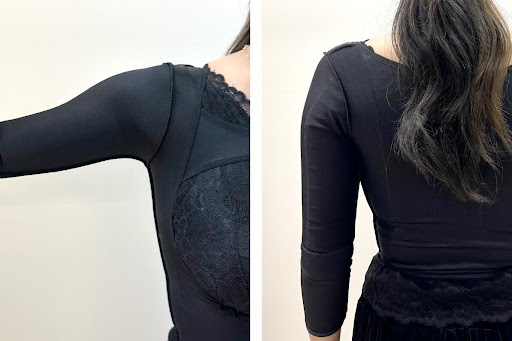 Compression garments may be recommended after liposuction.
They can support the treated area during early recovery and may assist with swelling management.
International patients may receive a post-operative compression garment according to their treatment plan.
The medical team will explain:
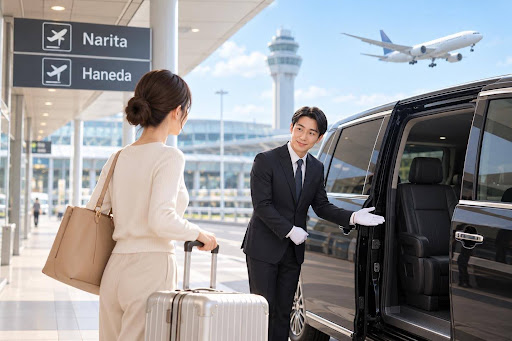 Garden Clinic provides complimentary airport transfer from Narita Airport or Haneda Airport for eligible international patients according to arrangements confirmed before travel.
Depending on the confirmed plan, transfer may be provided from the airport to Garden Clinic or a partnered hotel.
Patients should confirm:
Body Contouring and Weight Loss Are Different Goals
Body weight and body shape are related, but they are not the same thing. A person may lose weight while still retaining localised fullness around areas such as the abdomen, waist, thighs, arms, or back. Similarly, someone may be at a relatively stable weight but feel that certain areas appear out of proportion with the rest of the body. Body contouring focuses on these localised areas. Weight-loss strategies, by comparison, are intended to reduce overall body weight and may involve nutrition, physical activity, medical treatment, or a combination of approaches. Liposuction should not be used as a substitute for appropriate weight management.What Body Contouring Means at Garden Clinic
For surgical body contouring, Garden Clinic uses liposuction to reduce selected areas of subcutaneous fat when medically appropriate.
Treatment planning may include:
- Individualised contour design
- Assessment of the body from multiple angles
- Consideration of natural muscle movement
- Evaluation of surrounding areas
- Small, discreetly placed incisions where appropriate
- Controlled fat removal using a syringe-based technique
- Attention to symmetry and overall proportion
Which Areas Can Be Considered?
Depending on the patient’s anatomy and treatment goals, body contouring may be considered for areas such as:
- Abdomen
- Waist
- Flanks
- Hips
- Back
- Upper arms
- Inner thighs
- Outer thighs
- Other localised areas of fat
Why Surrounding Areas Matter
Body contouring should not treat each area as if it exists independently. For example, reducing abdominal fullness without considering the waist may not create the proportion a patient expects. Similarly, treating only one small section of the upper arm may create an uneven transition if surrounding areas are not considered. This does not mean every nearby area needs to be treated. It means that the entire contour should be assessed before deciding where fat removal is appropriate.Subcutaneous Fat Versus Visceral Fat
Liposuction removes subcutaneous fat, which is the fat located beneath the skin.
It does not remove visceral fat, which is located deeper inside the abdomen around the internal organs.
This distinction is particularly important for patients concerned about abdominal size.
A patient may have:
- Mainly subcutaneous fat
- Mainly visceral fat
- A combination of both
How Can I Tell Whether My Abdominal Fat Is Suitable?
Patients should not attempt to diagnose the type of abdominal fat themselves. The doctor will assess factors such as:- Where fullness is located
- How much fat can be felt beneath the skin
- Overall abdominal shape
- Skin quality
- Muscle structure
- Medical history
- Weight stability
Body Contouring Does Not Directly Tighten Significant Loose Skin
Skin quality affects the final appearance after fat removal. When volume beneath the skin is reduced, the skin needs to adapt to the new contour. Patients with relatively good skin elasticity may experience better skin adaptation. Patients with significant loose skin may have more limited improvement from liposuction alone. Liposuction does not directly remove a large amount of excess skin. The doctor should therefore assess whether skin laxity may affect the result before treatment.Who May Be Suitable for Body Contouring?
Body contouring with liposuction may be considered for patients who:- Have localised areas of unwanted subcutaneous fat
- Are at a relatively stable weight
- Have realistic expectations
- Understand that liposuction is not a weight-loss treatment
- Have suitable skin quality for the planned contour
- Are medically suitable for surgery
- Can follow recovery and aftercare instructions
When Weight Management May Be More Appropriate
If the patient’s primary goal is substantial overall weight reduction rather than improvement in a specific contour, liposuction may not be the appropriate first step. Weight management may be more relevant when:- Overall body weight is the main concern
- Fat distribution is widespread rather than localised
- Visceral abdominal fat is a significant contributor
- Weight is still changing considerably
- The patient expects liposuction to produce major weight loss
How Garden Clinic Plans a Balanced Result
The objective is not to create the smallest possible waist, thighs, arms, or abdomen. Treatment planning considers how different body areas relate to one another. The doctor may assess:- Shoulder width
- Torso proportions
- Waist definition
- Hip shape
- Thigh proportions
- Arm contour
- Existing asymmetry
- Muscle structure
- Skin elasticity
Why Movement Is Considered
The body looks different when standing still compared with sitting, walking, bending, or raising the arms. For this reason, treatment planning should consider natural movement. Movement may affect how fullness appears around areas such as:- Abdomen
- Waist
- Back
- Arms
- Thighs
What Body Contouring Cannot Guarantee
Body contouring cannot guarantee:- A specific body weight
- A particular clothing size
- Perfect symmetry
- Complete removal of fat
- Correction of significant loose skin
- A completely smooth surface
- Permanent prevention of weight gain
- Identical results between patients
Photos for an Initial Overseas Review
International patients can begin by sending clear photographs through WhatsApp or the Garden Clinic enquiry form. Depending on the treatment area, useful photographs may include:- Front view
- Back view
- Left and right side views
- Angled views
- Clear, even lighting
- No filters or body reshaping
- Fitted clothing where appropriate so the body outline can be assessed
Planning Body Contouring From Overseas
International patients can contact Garden Clinic through WhatsApp or the enquiry form in English or Chinese. During the initial enquiry, patients should provide:- Clear photographs
- Their priority treatment areas
- Their desired result
- Relevant medical history
- Current medication
- Previous liposuction or surgery
- Significant previous weight changes
- Preferred travel dates
- Important work or family commitments
Understanding the Estimated Cost
The cost of body contouring varies according to the individual treatment plan. Factors that may influence the estimated quotation include:- Which areas are being treated
- The number of treatment areas
- The size of the areas
- Treatment complexity
- Anaesthesia requirements
- Aftercare requirements
- Whether compression garments are required
- Whether another procedure is being considered
What Your Quotation May Include
Depending on the confirmed treatment plan, the estimated quotation may include:- The liposuction procedure
- Anaesthesia
- Prescribed medication
- Post-operative care
- Compression garments
- Follow-up checks
- Airport transfer
Compression Garments
Compression garments may be recommended after liposuction.
They can support the treated area during early recovery and may assist with swelling management.
International patients may receive a post-operative compression garment according to their treatment plan.
The medical team will explain:
- How long the garment should be worn
- How many hours per day it should be used
- When it may be removed
- How it should fit
- What to do if it causes excessive discomfort, numbness, or skin irritation
Recovery After Body Contouring
Recovery varies according to the areas treated, the extent of treatment, and the individual patient. Temporary effects may include:- Swelling
- Bruising
- Tenderness
- Tightness
- Firmness beneath the skin
- Changes in sensation
- Temporary unevenness
Returning to Exercise and Normal Activities
The timing depends on the treatment area and individual recovery. Light walking may be recommended relatively early, while more strenuous activity may need to wait. Patients should ask before restarting:- Gym training
- Running
- Heavy lifting
- Swimming
- Contact sports
- Saunas
- Hot baths
- Intense stretching
- Massage around the treated area
Planning Your Stay in Japan
International patients should allow enough time for treatment and the recommended progress check before flying home. The appropriate length of stay depends on:- The areas treated
- The extent of liposuction
- Anaesthesia
- Individual recovery
- Follow-up requirements
- The doctor’s recommendation
Airport Transfer
Garden Clinic provides complimentary airport transfer from Narita Airport or Haneda Airport for eligible international patients according to arrangements confirmed before travel.
Depending on the confirmed plan, transfer may be provided from the airport to Garden Clinic or a partnered hotel.
Patients should confirm:
- Which airport is covered
- Where they will be met
- The destination
- Whether return airport transfer is included
- How changes to flight times are handled
- Whether luggage assistance may be needed
- The proposed treatment areas
- Why liposuction may or may not be suitable
- Expected results
- Risks and limitations
- Anaesthesia
- Recovery
- Medication
- Compression instructions
- Follow-up arrangements
Travelling With Luggage After Treatment
Heavy luggage can be difficult during early recovery. This may be particularly relevant after treatment involving the:- Abdomen
- Waist
- Back
- Arms
- Thighs
Planning Around Important Events
Tell Garden Clinic about upcoming commitments before treatment. These may include:- Work presentations
- Weddings
- Family photographs
- Sports
- Physical work
- Long-distance travel
- Important social events
Before You Fly Home
A progress check may be scheduled before departure according to the individual treatment plan. The medical team may review:- Swelling
- Bruising
- Incision sites
- Compression garments
- Medication
- Mobility
- Aftercare instructions
After Returning Home
Patients should continue following the aftercare instructions provided by Garden Clinic. If you have a concern after returning home, contact the clinic with:- Clear photographs
- The area of concern
- When the symptom began
- Whether it is improving or worsening
- Whether pain is increasing
- Whether there is significant redness, warmth, discharge, or fever
- Whether one side has changed suddenly
- Whether medication and compression instructions have been followed
Maintaining Your Result
Fat cells removed through liposuction do not simply return in the same way. However, the fat cells that remain can still enlarge if a patient gains weight. The body may also change because of:- Ageing
- Pregnancy
- Hormonal changes
- Weight fluctuations
- Changes in skin elasticity
- Lifestyle
Frequently Asked Questions
Is body contouring the same as liposuction at Garden Clinic?
Garden Clinic uses liposuction for surgical body contouring when the procedure is medically appropriate. The treatment plan is customised according to the patient’s anatomy and goals.Is body contouring a weight-loss treatment?
No. Body contouring is intended to refine selected areas of fat rather than produce significant overall weight loss.Can liposuction remove visceral belly fat?
No. Liposuction removes subcutaneous fat beneath the skin. Visceral fat around the internal organs cannot be removed through liposuction.Can body contouring tighten loose skin?
Liposuction removes selected fat but does not directly remove a large amount of loose skin. Skin elasticity can therefore affect the final contour.Will every area I request be treated?
Not necessarily. The doctor will assess whether each requested area is appropriate to treat and whether neighbouring areas should also be considered for balance.Can I treat only one small area?
Sometimes. However, surrounding areas may also need to be assessed to avoid creating an uneven transition.How much weight will I lose?
Weight loss is not the main objective. The result should be assessed primarily by changes in shape and proportion rather than kilograms lost.Will I change clothing size?
A particular clothing size cannot be guaranteed. Clothing fit depends on the treated areas as well as overall body proportions and garment design.How long does swelling last?
Swelling is often most noticeable during the first week, but residual swelling may remain for several weeks or longer. Recovery varies between patients.How long does bruising last?
Bruising may continue for approximately two to three weeks, although this varies.Why does the treated area feel hard?
Temporary firmness or stiffness beneath the skin can occur during healing. It may take several weeks or months to gradually soften.Do I need a compression garment?
A compression garment may be recommended depending on the treatment area and individual plan. The medical team will explain how long it should be worn.When can I exercise again?
Exercise should resume gradually and according to the doctor’s instructions. The timing depends on which areas were treated and how recovery is progressing.How do overseas patients begin?
Start by contacting Garden Clinic through WhatsApp or the enquiry form. Send clear photographs, identify your priority areas, and provide relevant medical and travel information.How long should I stay in Japan?
The recommended stay depends on the treatment areas, extent of liposuction, and individual recovery. Garden Clinic will advise when the progress check should take place and when travel may be appropriate.Questions to Ask When Comparing Body Contouring Clinics
When researching body contouring in Japan, consider asking:- Is my concern caused mainly by subcutaneous fat?
- Which areas do you recommend treating?
- Why do you consider me suitable for liposuction?
- How will you assess skin laxity?
- Do neighbouring areas need to be considered?
- How do you plan the contour from different angles?
- What technique will be used?
- Where will the incisions be placed?
- What type of anaesthesia is planned?
- Is a compression garment included?
- What does the quotation cover?
- How long should I remain in Japan?
- When can I return to exercise?
- What follow-up is available after I return home?
- Is interpreter support available?
- How is airport transfer arranged?